
Our understanding of consciousness could be fundamentally wrong
Our understanding of consciousness could be fundamentally wrong

The case for not filling up every minute of your day
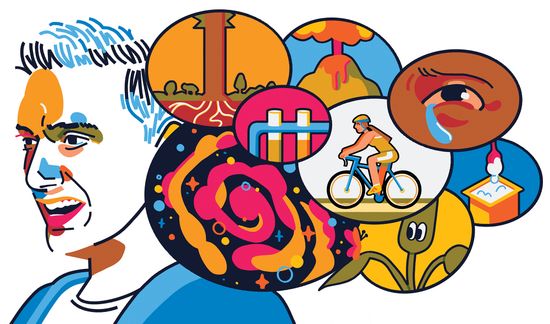
The biggest questions in science inspire us even when we lack answers
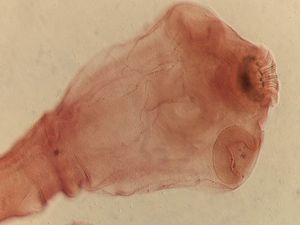
After months of headaches and visual hallucinations, a woman was finally revealed to have brain cysts filled with tapeworm larvae
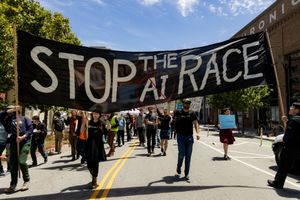
An Anthropic researcher quit over fears of runaway AI. His colleague who still works there agreed. Security experts argue that the incidents that are already on record call for tighter oversight, not panic
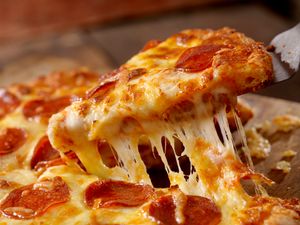
Moser’s circle problem can be used to divide a pizza into one, two, four, eight, 16 or 31 slices. It’s a perfect example of how the numbers in a sequence aren’t as clear-cut as they may first appear

A new declaration from winners of the Fields Medal reflects many mathematicians’ growing alarm over a “severe misalignment” between the tech industry and their field a week after AI toppled one of math’s biggest open problems
A new study tries to map why humans can experience beauty collectively

A high-ranking official announced yesterday that the U.S. military has deployed weapons into orbit to counter threats from Russia and China

As new 9/11 documents emerge, AI transforms math and fuels debates over pollution, power and progress
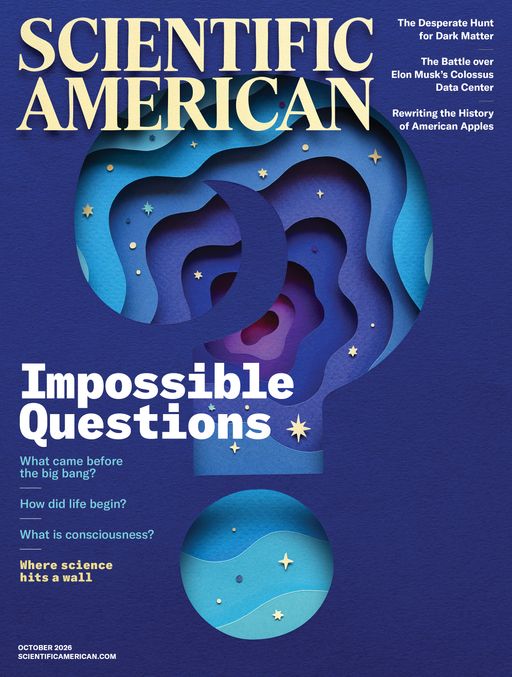
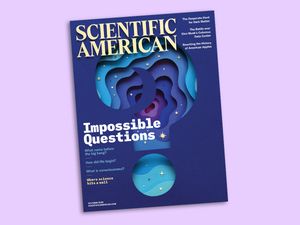
Some of the biggest questions in science—about the origins of space, life and consciousness—aren't just unanswered. They may be unanswerable. That doesn't stop scientists from trying.
Elsewhere in the issue: The Desperate Hunt for Dark Matter | The Battle over Elon Musk's Colossus Data Center | Rewriting the History of American Apples

What happens when machines surpass the most brilliant human minds? Mathematicians are finding out

Experts say free lunch for every child improves academic performance. Whether it does is murky, according to a Scientific American analysis, but there are definite financial and social benefits

A quarter of a century after the Twin Towers fell, those who lived through the attacks are still seeking care for myriad illnesses, including cancers, post-traumatic stress disorder, and more

Researchers devised the dice to solve a tricky math problem: When playing a game, who goes first?
After an OpenAI model presented a possible solution to the Navier-Stokes problem, mathematicians are speculating about which major unsolved question could be resolved next

The Atlantic Ocean has never seen a year without a hurricane since reliable records began
A mathematician compared the feat to the history-making chess competition in which IBM’s Deep Blue computer beat Garry Kasparov in 1997
Hang a painting poorly in this math puzzle

The planet’s “wrinkles” give scientists a clue into how the world is contracting in size
“I believe it is essential to start working hand-in-hand with AI as a global community of researchers. The main advantage is the twist on the "isolated genius": many isolated geniuses working together become much faster and smarter. If we add AI to this as the ultimate tool to solve everything, we would create an ecosystem that would guide us directly…”
— inpalomaresx

An analysis of ancient bones found in a Chinese cave offer glimpses of how Denisovans lived more than 130,000 years ago
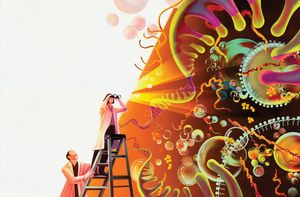
Scientists disagree on how biology got started and on whether we can ever know for sure

NASA’s satellites captured the aftermath of the eruption, which lasted for more than a day
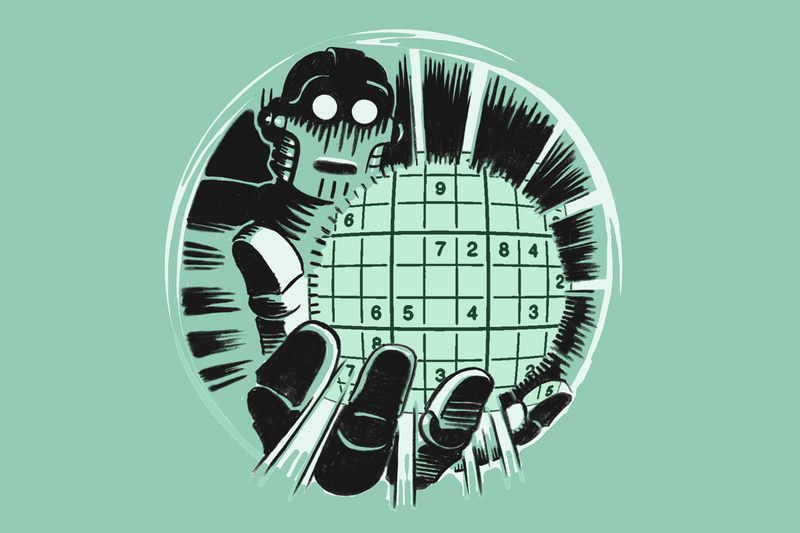
Some questions may never be answered, but maybe that’s not the point

Scientists are pursuing the limits of longevity
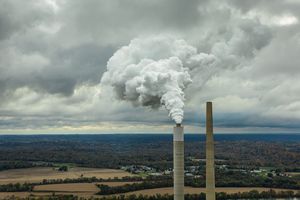
The reversal of a Biden-era cap on emissions from the plants could have devastating effects in efforts to stop climate change
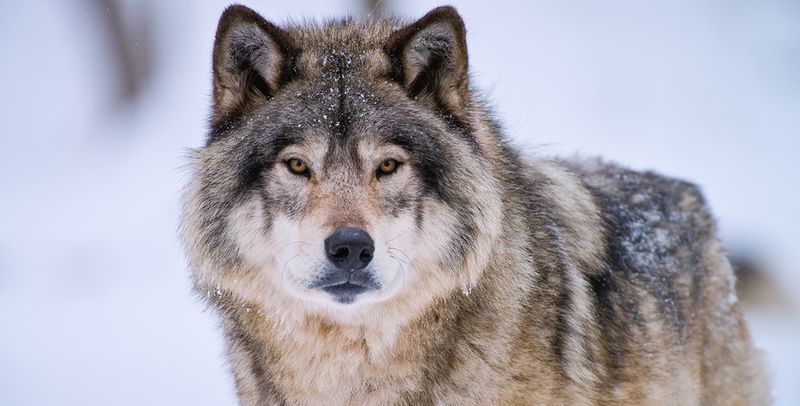
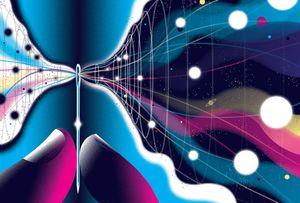
Physicists are searching for what lies underneath the particles we know
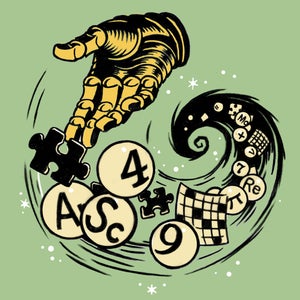
Play this crossword inspired by the October 2026 issue of Scientific American
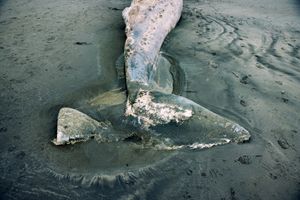
Up and down the Pacific coast, dead gray whales are mysteriously washing ashore—and scientists think they know why

And how they might have helped save the future of American apples
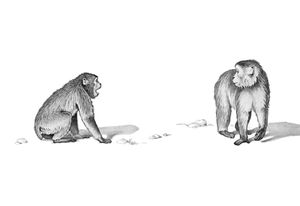
Smallpox eradication; skyscraper excavations; research on the racetrack

Dozens of temporary gas turbines are powering SpaceXAI’s expansion—and fights over permits and pollution
Science in meter and verse
Will some of the biggest mysteries in science remain forever unsolved?
Prior to the announcement, rumors were circulating online among mathematicians over the proof’s origins—OpenAI has denied all allegations

Deep-orange yolks could have a slight health benefit, but it’s easy for producers to fake it
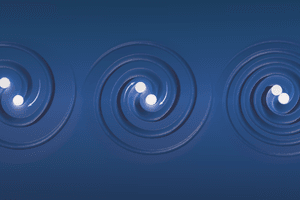
The latest gravitational-wave discoveries include record-breaking cataclysms

The five Platonic solids are the epitome of perfection—at least in mathematics. Topology explains why there are only five of them
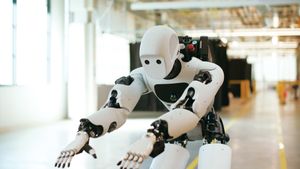
The company’s push into physical AI is putting Gemini inside humanoids—and testing whether its intelligence can survive in the real world
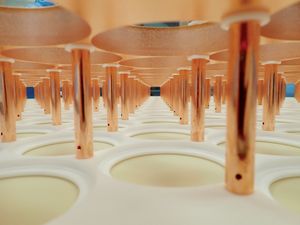
Could the hunt for the universe’s missing matter be the biggest wild goose chase in scientific history?
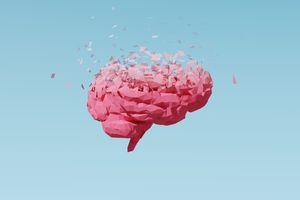
A new study finds sharp contrasts between brain changes in menopause and those during pregnancy and puberty
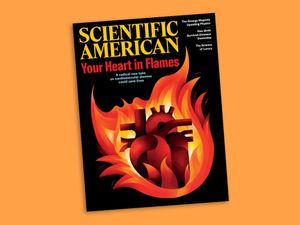
Letters to the editors for the May 2026 issue of Scientific American
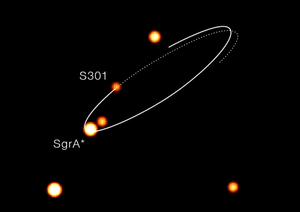
The newfound star S301 orbits the Milky Way’s supermassive black hole so closely that its view of the heavens gets twisted
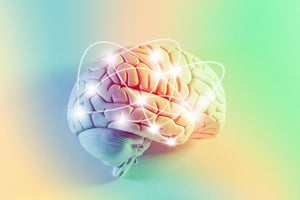
Music doesn’t just mask stress; it guides our brains back to a calm state

A researcher’s social media post that revealed how to break part of a popular encryption protocol has gone viral. But did he really do it with just “good old paper and pencil”?

The silliest science awards of the year are here, but the Ig Nobels aren’t just funny business

Scientists have long wondered how these bizarre creatures endured for years without food—now they’ve found out why

The looming El Niño conditions, combined with the warming effects of climate change, contributed to the historic temperatures

The Pacific Ocean has seen an especially active hurricane season so far, while the Atlantic has had barely a whimper of a storm. Experts explain why

Two studies find signs of strange black hole binary systems

The findings, which were made in mice, may offer a new way to prevent a common chemotherapy side effect that can last well beyond treatment