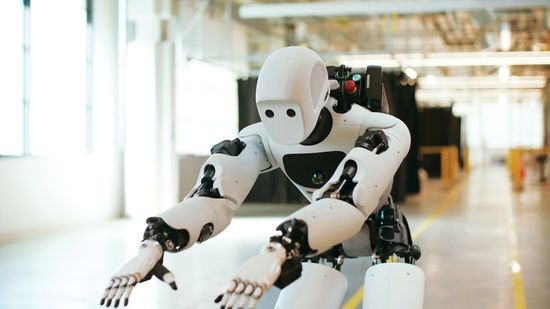
The company’s push into physical AI is putting Gemini inside humanoids—and testing whether its intelligence can survive in the real world
The company’s push into physical AI is putting Gemini inside humanoids—and testing whether its intelligence can survive in the real world
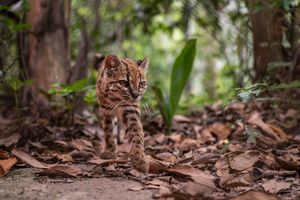
The cat is smaller than a house cat but has the spots of a leopard

The latest gravitational-wave discoveries include record-breaking cataclysms

As Bangladesh faces a deadly measles outbreak, experts assess what it would take for the U.S. to reach similar levels
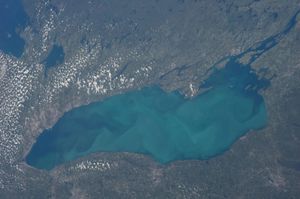
The National Weather Service is speeding ahead with changing the name of the Great Lake

Flex your math muscles with this weekend’s brain teaser. Play now.
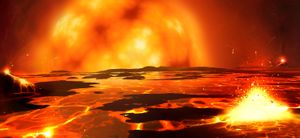
Our sun is on a long, strange trip to its eventual demise. Here are the key stops along the way

More than 100,000 people in the country are over 100 years old
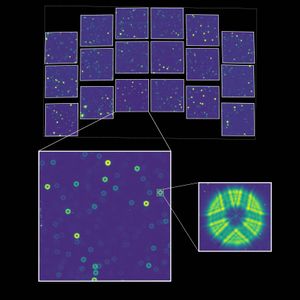
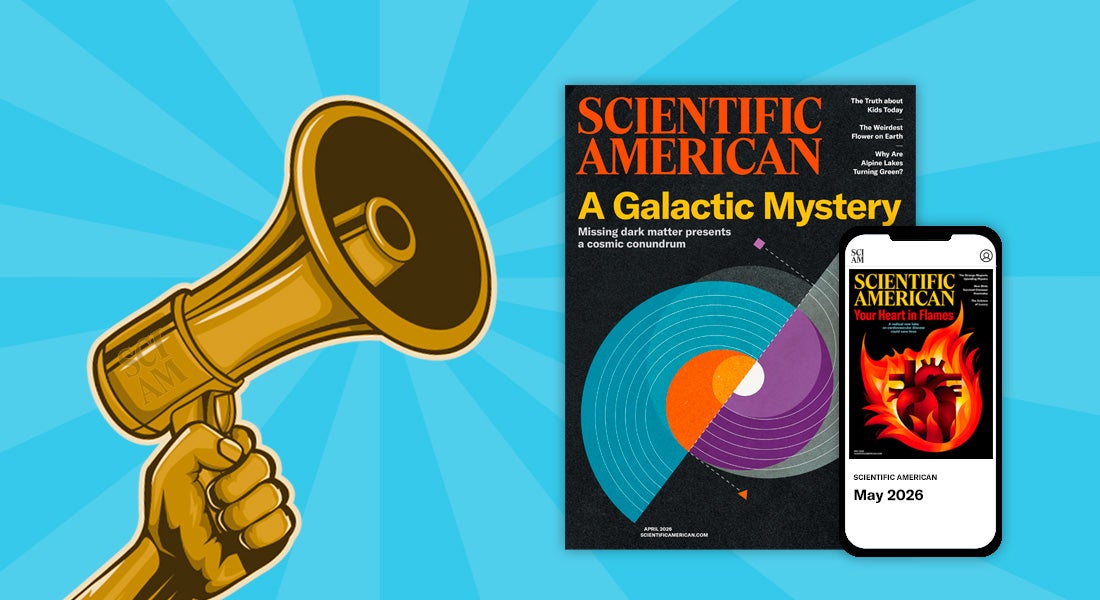
The space telescope is set to reveal thousands of new exoplanets and scour the universe for signs of dark matter and energy
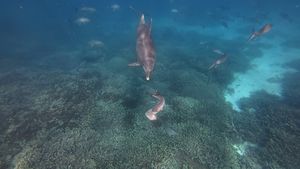
Don’t have the energy to catch your own meal? This dolphin has a gross solution
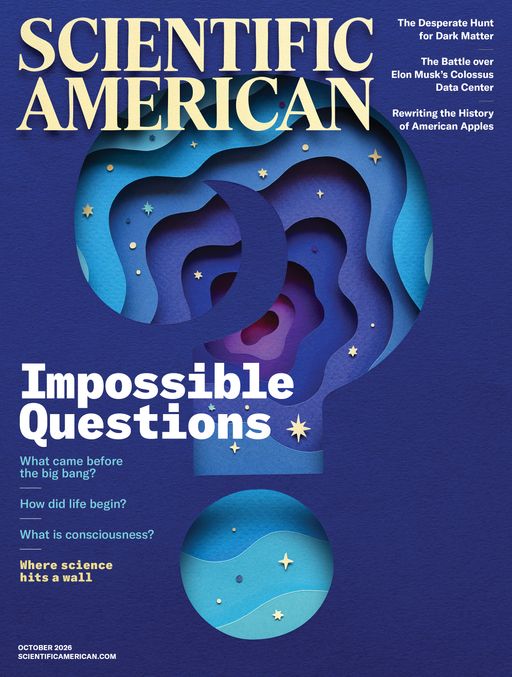
Some of the biggest questions in science—about the origins of space, life and consciousness—aren't just unanswered. They may be unanswerable. That doesn't stop scientists from trying.
Elsewhere in the issue: The Desperate Hunt for Dark Matter | The Battle over Elon Musk's Colossus Data Center | Rewriting the History of American Apples

Our understanding of consciousness could be fundamentally wrong
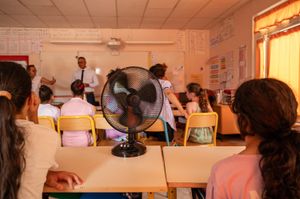
As temperatures rise, the evidence is clear that heat is eroding students’ ability to learn

Science is helping to peel back the layers of how dogs process the world around them

And how they might have helped save the future of American apples
Filmmaker and journalist Leah Varjacques takes listeners inside an Indonesian forest that’s quickly changing as the country attempts to move its capital city
A search for the most complex elliptic curves has taken mathematicians years. Claude beat the record in days
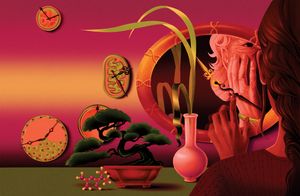
Scientists are pursuing the limits of longevity
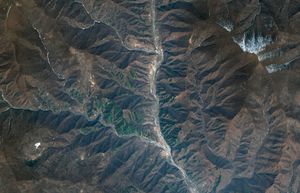
Seismic activity has increased markedly at Mount Mantap, also known as Mantapsan, since the last test blast there in 2017
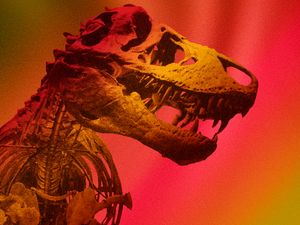
The dinosaurs were once considered reptilian, but the new results suggest we may need to rethink their evolution
“Much as many of us may not like the notion that wealthy collectors can buy prized fossil specimens, as Dr. Kamat points out, there is at present no legal restriction for doing so. What should happen is that UNESCO or other world organizations should regulate such deals through international consent. That is unlikely to happen quickly nor universally given present…”
— Klaus R

The pages come from a copy of Mirror of the Blessed Life of Jesus Christ that once belonged to John Gage, an enforcer in Henry VIII’s court and a key figure in the historical dissolution of the monasteries

Independent auditors are emerging as a key part of plans to rein in frontier AI. But the systems are evolving faster than the methods used to evaluate them
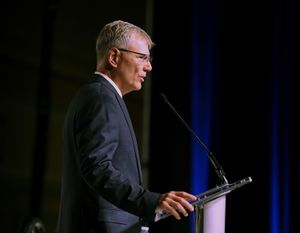
A high-ranking official announced yesterday that the U.S. military has deployed weapons into orbit to counter threats from Russia and China
The malleability of memory once cast doubt on eyewitness identification in criminal cases, but new research reveals how eyewitness memory can be used accurately

The surprising real-world applications of high-dimensional sphere packing and the 48-year-old barrier that OpenAI just broke
Artificial general intelligence was once a term confined to technical science papers, but its meaning has slipped

Both the president and Secretary of Health and Human Services Robert F. Kennedy, Jr., have made numerous false claims about the vaccines’ efficacy and safety
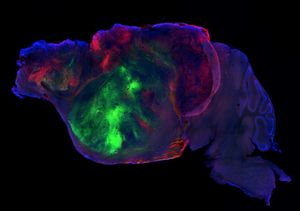
The technique opens new possibilities for investigating neurological conditions, from autism to dementia
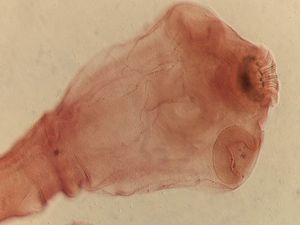
After months of headaches and visual hallucinations, a woman was finally revealed to have brain cysts filled with tapeworm larvae
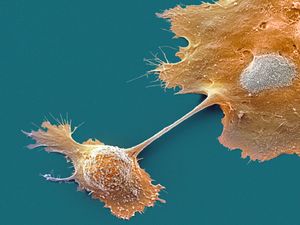
Pancreatic cancer is typically caught in its latest stages, when it is hardest to treat

The Atlantic Ocean has never seen a year without a hurricane since reliable records began
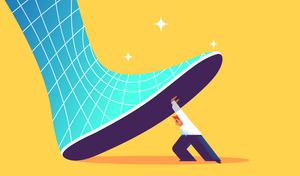
A new declaration from winners of the Fields Medal reflects many mathematicians’ growing alarm over a “severe misalignment” between the tech industry and their field a week after AI toppled one of math’s biggest open problems
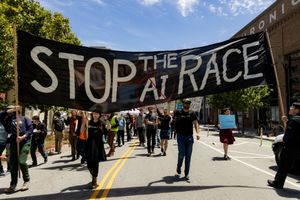
An Anthropic researcher quit over fears of runaway AI. His colleague who still works there agreed. Security experts argue that the incidents that are already on record call for tighter oversight, not panic

A quarter of a century after the Twin Towers fell, those who lived through the attacks are still seeking care for myriad illnesses, including cancers, post-traumatic stress disorder, and more
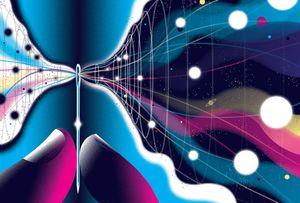
Physicists are searching for what lies underneath the particles we know