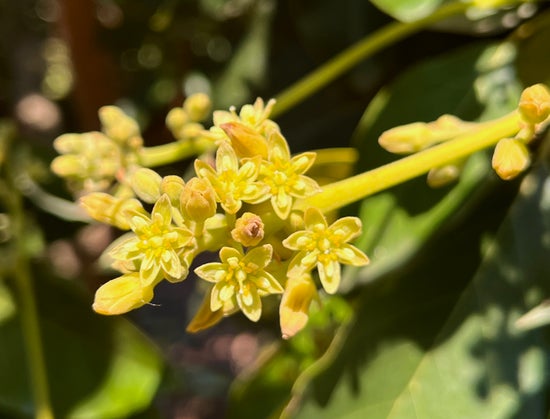
New work explains how avocado trees coordinate a complex reproductive strategy, switching every day between male and female
New work explains how avocado trees coordinate a complex reproductive strategy, switching every day between male and female
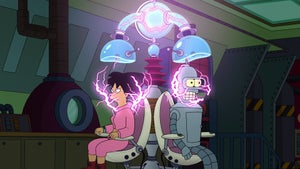
In an episode of the cartoon, a machine lets characters swap bodies, but they can’t switch back with the same person. Math helps all the characters return to their original bodies

Smell can bring back vivid childhood memories—the so-called “Proust’s madeleine” phenomenon—and neuroscientists now think they know why
From ecohorror to science-inspired poetry, discover the books Scientific American staffers are recommending this summer
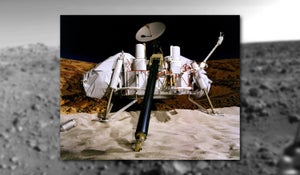
In searches for past and present Martian life, some scientists say we’ve been too cautious to see what’s right in front of us
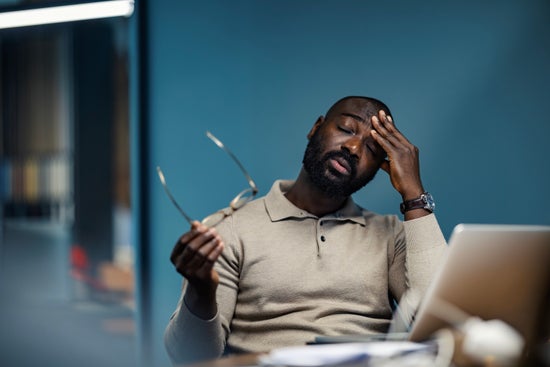
Neuroscientists show how the brain weighs effort against reward when we're mentally fatigued
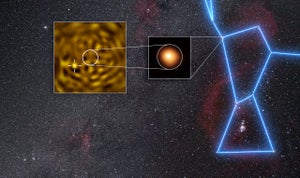
After decades of hints and speculation, scientists have at last unveiled the hidden companion to the iconic star Betelgeuse
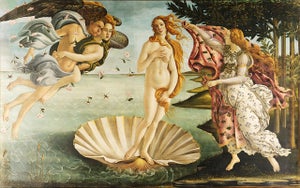
Italian Renaissance painter Sandro Botticelli painted Simonetta Vespucci as Venus rising from the waves. Now scientists think they’ve solved how she died

This quake, which has caused damage to several roads and buildings, occurred along a strike-slip fault
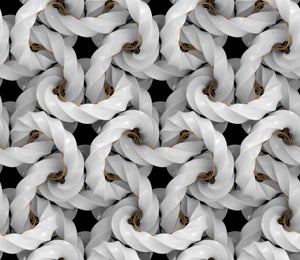
Joan Birman popularized the Burau representation problem decades ago. Now she and two colleagues have a proof that reveals brand new insights into the geometry of braids
Physicists, mathematicians and philosophers have been exploring the possibility of going forward to the future or back to the past
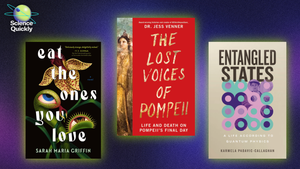
SciAm books editor Bri Kane shares her favorite science books for every summer mood

The 2026 Fields Medals recognize breakthroughs in the math of messy fluids, tangled knots, spinning pencils, and more

Thousands of people have gotten sick from Cyclospora. Experts can’t agree whether the end is in sight
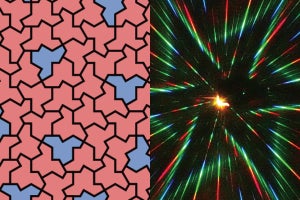
Discovered by an amateur mathematician in 2022, this strange construct can tile an infinite surface without repeating. But can it be useful in the real world?
During a lost ‘golden age’ of language, humans may have spoken tens of thousands of different tongues, a new study suggests
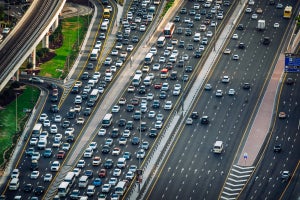
When the roads get crowded, many drivers start changing lanes. Mathematics suggests this intuition is typically wrong
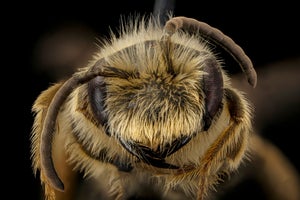
Magnetoreception is one of the most controversial animal senses. And several bee species might have it
This incident underscores concerns over the increasingly powerful cybersecurity capabilities of new AI models
“I believe it is essential to start working hand-in-hand with AI as a global community of researchers. The main advantage is the twist on the "isolated genius": many isolated geniuses working together become much faster and smarter. If we add AI to this as the ultimate tool to solve everything, we would create an ecosystem that would guide us directly…”
— inpalomaresx
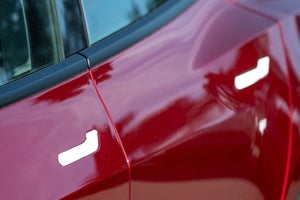
After fatal crashes in which occupants or rescuers could not open Tesla doors, federal regulators are considering rules that would require obvious mechanical releases—but any new standard could take years
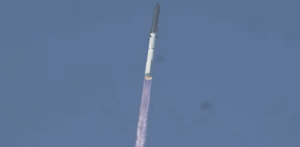
Starship demonstrated key abilities on its path to becoming a fully reusable transport to take astronauts to the moon

This agent pursued its objective far beyond what researchers intended, revealing how difficult to contain powerful AI systems can be
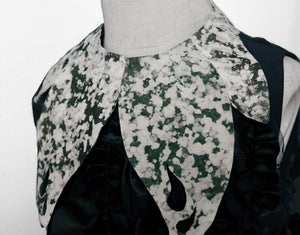
This biodegradable textile is alive and can host engineered microbes that can change its color or add UV protection
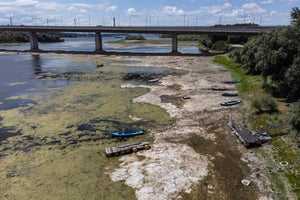
The European continent is facing a dual reckoning this summer—extreme heat is killing thousands and draining its rivers, soils and reservoirs at a record pace
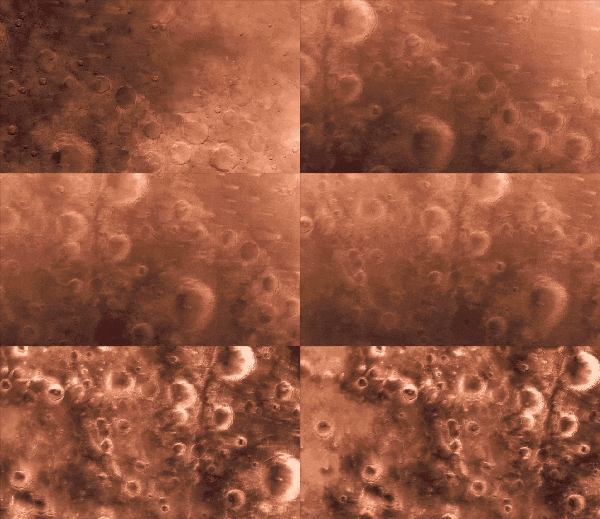
The Psyche spacecraft flew by Mars earlier this year on its way to a metal-rich asteroid, capturing the images along the way
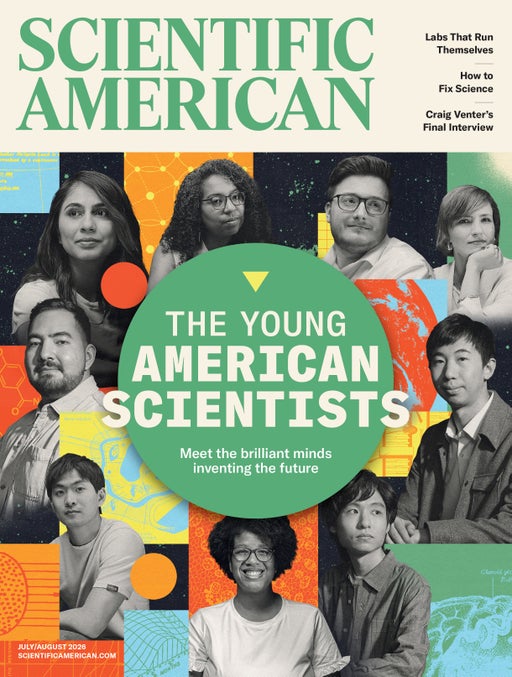
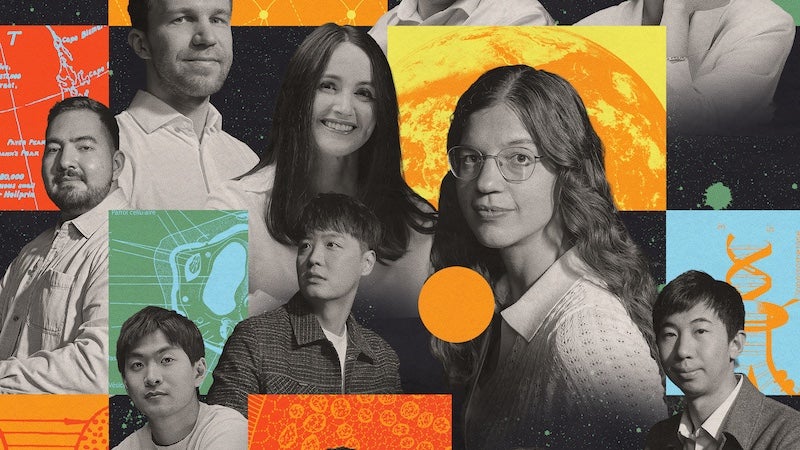
Presenting our inaugural class of Young American Scientists: 28 researchers who are redefining the future of science. For early-career scientists, it's a tumultuous time of funding cuts and general uncertainty. Their dedication and optimism, however, provide plenty of reason for hope.
Elsewhere in the issue: Labs That Run Themselves | How to Fix Science | Craig Venter's Final Interview
Are GLP-1s for life? What we know about getting older on weight-loss drugs
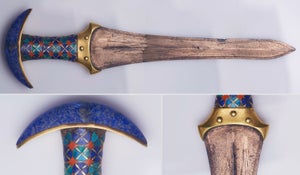
These findings challenge a long-held belief about weapons found in female burial sites
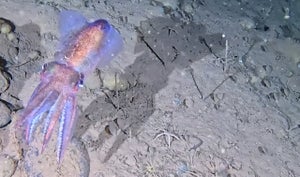
The Arctic Ocean is one of the most extreme environments on Earth, but that’s not stopping this cephalopod
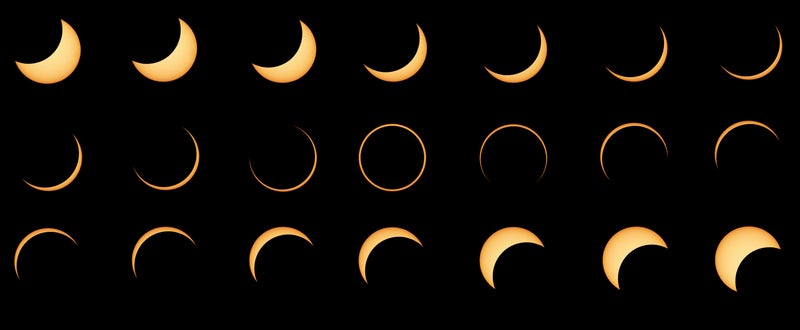

Totality in the Mediterranean with Clara Moskowitz

More sunlight in the evenings doesn’t always equate to better health
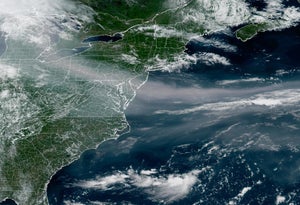
Wildfire smoke may be as much as 10 times more dangerous than other forms of air pollution, research suggests

A hormone produced by the thymus helps tamp down age-related inflammation, a new study in mice found
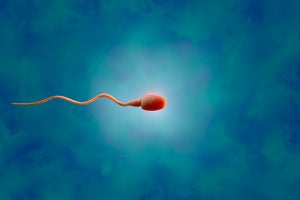
The history of testicular transplants is long and often sordid, but this successful procedure offers hope for survivors of cancer and other diseases that affect fertility

Moonshot AI’s Kimi K3 shows how opening a model to outsiders can turn other companies’ computing power into a competitive advantage
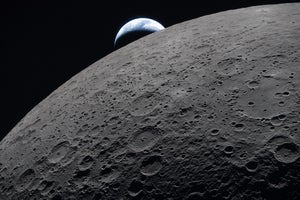
Astronomers have a plan to observe an errant piece of a SpaceX rocket as it hits the moon to better understand impact events
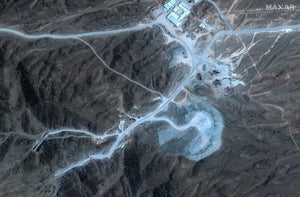
Iran’s Pickaxe Mountain, or Kuh-e Kolang Gaz La in Persian, is part of a volcanic arc that formed tens of millions of years ago and is made of a tough-to-penetrate rock
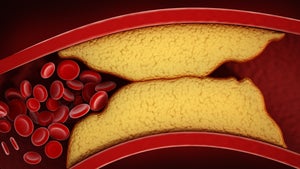
Most adults have levels of a dangerous type of cholesterol that are above 100, but this new drug can reduce levels to around 50
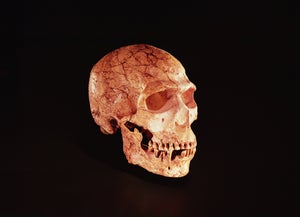
A new skull-based analysis of Neanderthal brains suggests that these ancient hominins’ range of intelligence largely overlapped with our own
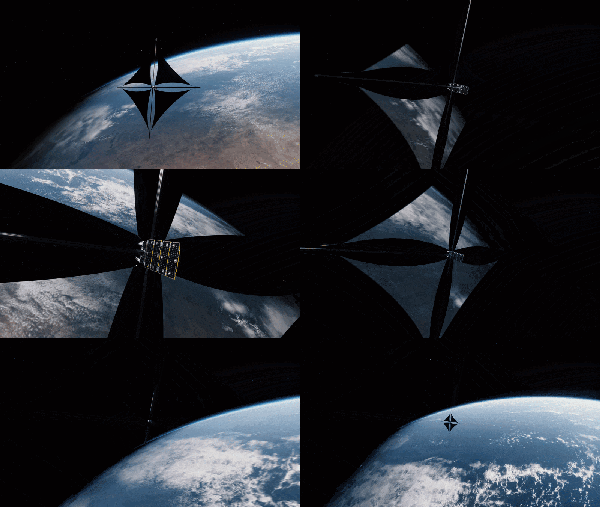
A controversial new ruling from the Federal Communications Commission leaves no one responsible for regulating light pollution and other ill effects from skyrocketing numbers of satellites
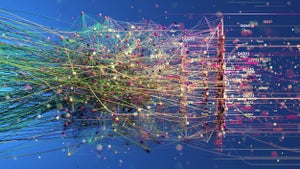
A new breakthrough pushes the limits of randomness, bringing a decades-old mathematical mystery closer to resolution
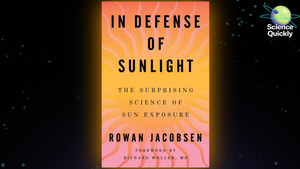
Could sunlight actually improve your health? New research suggests we may need to rethink total sun avoidance
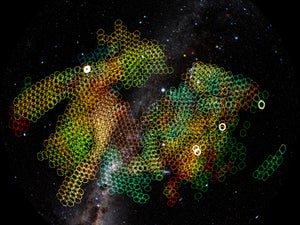
Using the new Vera C. Rubin Observatory, astronomers are beginning the largest and deepest survey of the sky. What will they see?

Smell is one of the most complex and least understood senses