And how they might have helped save the future of American apples
And how they might have helped save the future of American apples
The research into how electromagnetic waves and radio frequency radiation influence health has been plagued by low-quality studies
Google made a major breakthrough in quantum computing. To prevent the results from being misused, the company kept them secret. That backfired
Is it possible to optimize our poop?
OpenAI’s proof seems eligible for a $1-million prize—but only by using a controversial loophole
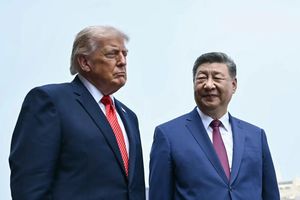
With Donald Trump and Xi Jinping set to discuss AI safety, the growing popularity of Chinese open-weight models highlights the limits of developer-controlled safeguards
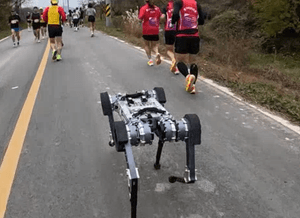
The quadrupedal machine finished the course in a solid four hours, 19 minutes and 52 seconds—and on just one battery charge
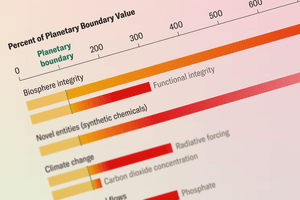
Earth’s annual checkup shows that we’re at increasing risk of moving away from the environment we’re adapted to
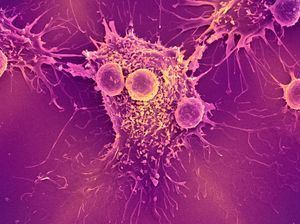
If approved, the test could help catch cancers early—but more research is still needed, experts say
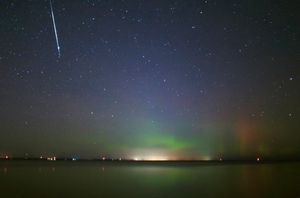
Lasting from mid-September until mid-November, the Taurid meteor showers are among the longest of the year
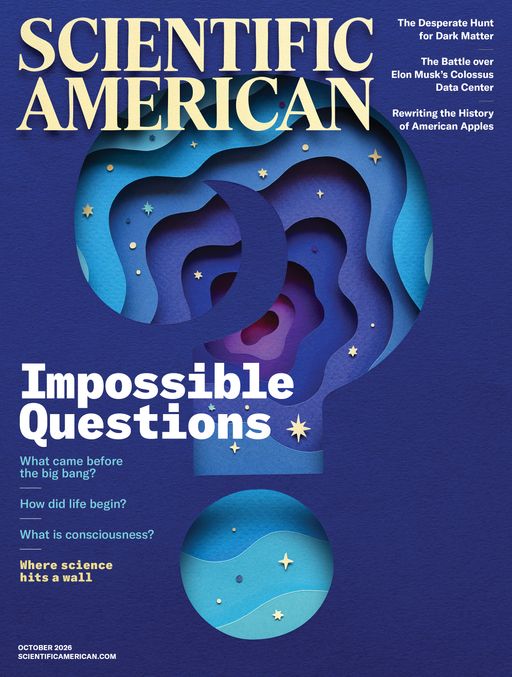
Some of the biggest questions in science—about the origins of space, life and consciousness—aren't just unanswered. They may be unanswerable. That doesn't stop scientists from trying.
Elsewhere in the issue: The Desperate Hunt for Dark Matter | The Battle over Elon Musk's Colossus Data Center | Rewriting the History of American Apples
In parallel, a race by amateurs and mathematicians has found all 25,000 cases of one “inverse Galois problem”
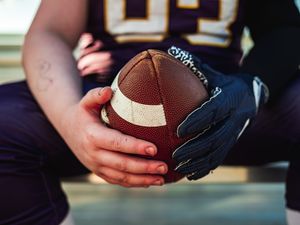
A new study found that one in four professional football players who died between 2016 and 2021 had CTE—a degenerative brain disease—but what about children who play these sports?
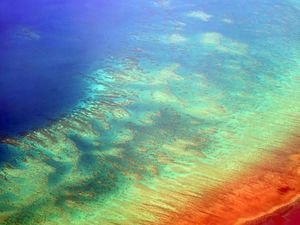
“This is probably going to be the superlative El Niño event of our lives so far,” a climate scientist says
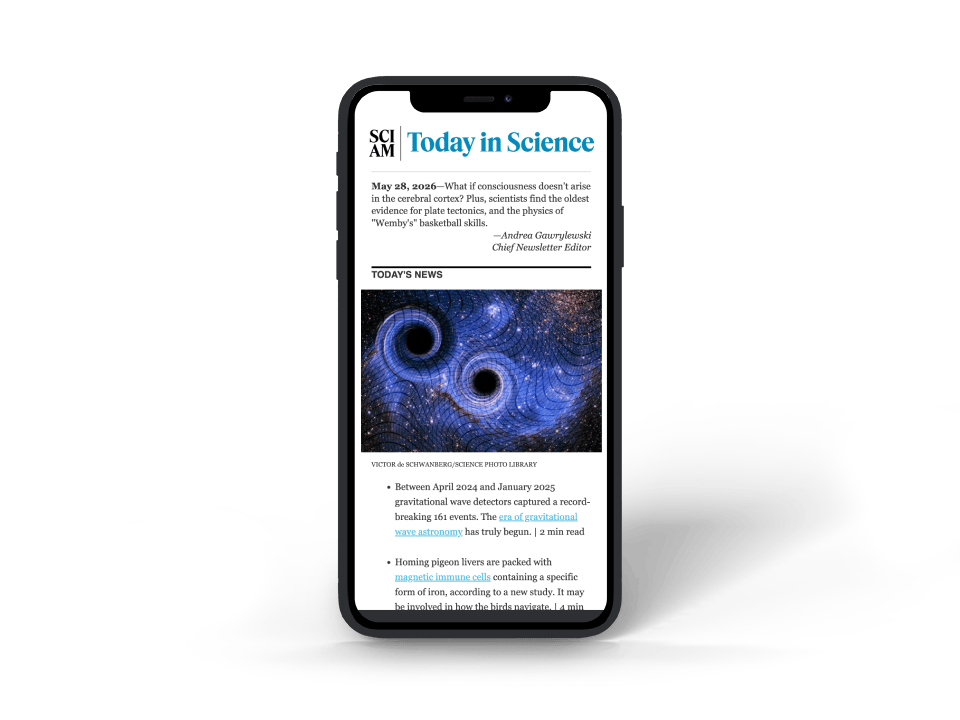
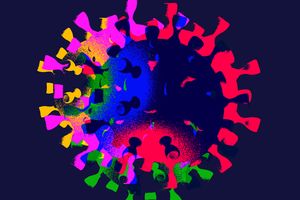
The virus is currently most prevalent in California and the southern U.S., but experts expect it to go national in the coming weeks
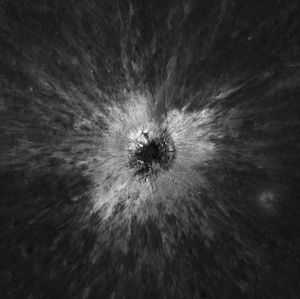
The crater, named after geologist and lunar surface expert Tom McGetchin, spans more than two football fields wide
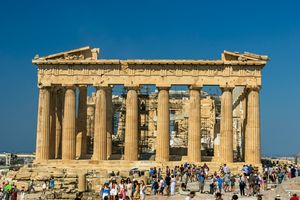
The Parthenon sits atop a platform that is curved into a subtle hill shape that some say makes the structure appear straighter—but is that true?
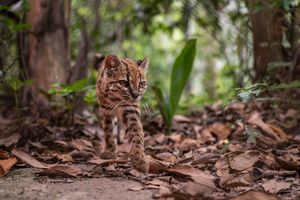
The cat is smaller than a house cat but has the spots of a leopard
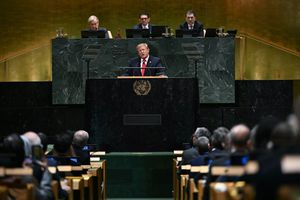
The president also said artificial intelligence should be rebranded as “super intelligence”
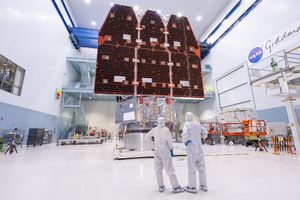
2025 was a brutal year of budget cuts and workforce attrition at NASA’s Goddard Space Flight Center, the home base for the Nancy Grace Roman Space Telescope. Experts worry Goddard—and NASA’s space science—may never recover
“Although living forever sounds tempting, if every human were to live forever, the earth would be unable to sustain the population and life would become survival instead of comfortable living.”
— Christopher Alden
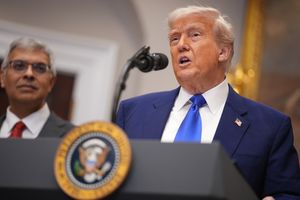
Advocates and scientists warn that giving political appointees power over research grants would “upend” U.S. science
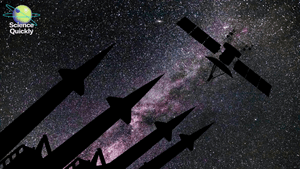
From orbital weapons to AI risks and weaker emissions rules

OpenAI’s claimed proof of the Navier-Stokes problem is a mathematical tour de force, but any real-world applications may be years away—if they ever arrive at all
Understanding how human language evolved is one of the hardest problems in science to unpick
The human brain uses about the same amount of wattage as a lightbulb
The space telescope is set to reveal thousands of new exoplanets and scour the universe for signs of dark matter and energy
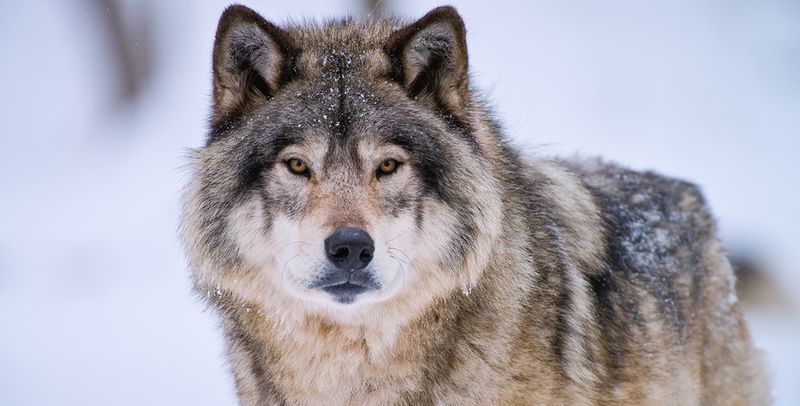

Science is helping to peel back the layers of how dogs process the world around them

More than 100,000 people in the country are over 100 years old
The National Weather Service is speeding ahead with changing the name of the Great Lake
A search for the most complex elliptic curves has taken mathematicians years. Claude beat the record in days
The dinosaurs were once considered reptilian, but the new results suggest we may need to rethink their evolution
A high-ranking official announced yesterday that the U.S. military has deployed weapons into orbit to counter threats from Russia and China