EnergyApril 28, 2026
Could fusion energy soon join the U.S. power grid?
The fusion energy start-up Commonwealth Fusion Systems aims to bring its first power plant online by the early 2030s, but daunting technical hurdles remain
Could fusion energy soon join the U.S. power grid?
The fusion energy start-up Commonwealth Fusion Systems aims to bring its first power plant online by the early 2030s, but daunting technical hurdles remain

An electric air taxi passes its hardest test. When can passengers fly?
A British start-up recently pulled off a key maneuver for electric vertical flight—but certification, infrastructure and demand will decide whether air taxis fill our skies


Mining the Deep Sea Could Threaten a Source of Ocean Oxygen
Deep-sea rocks packed with valuable metals may also be making oxygen in the deep, dark ocean—raising new questions about the cost of mining them.
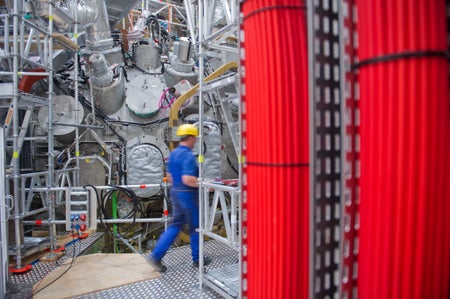
Record-Breaking Results Bring Fusion Power Closer to Reality
Breakthroughs from two rival experiments, Germany’s Wendelstein 7-X and the Joint European Torus, suggest the elusive dream of controlled nuclear fusion may be within reach

Fusion Energy Needs Continued U.S. Leadership to Secure Our Energy Future
The U.S. leads the world in fusion energy research. It can’t squander that lead like it did with microchips

AI Needs to Be More Energy-Efficient
Artificial Intelligence uses too much energy. Developers need to find better ways to power it or risk adding to the climate crisis
AI’s Energy Demands Threaten a Nuclear Waste Nightmare
Reviving nuclear power plants to power AI threatens an avalanche of nuclear waste
Elon Musk Owes His Success to Coming in Second (and Government Handouts)
The world’s richest man, Elon Musk, owes his superstar success to self-satisfied competitors who blew obvious opportunities
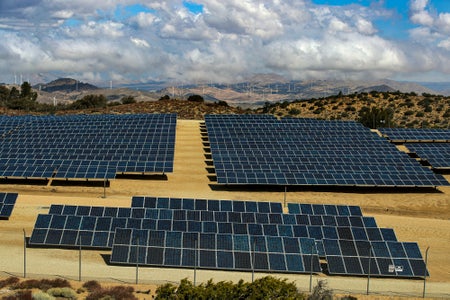
A Golden Age of Renewables Is Beginning, and California Is Leading the Way
California has hit record-breaking milestones in renewable electricity generation, showing that wind, water and solar are ready to cover our electricity needs
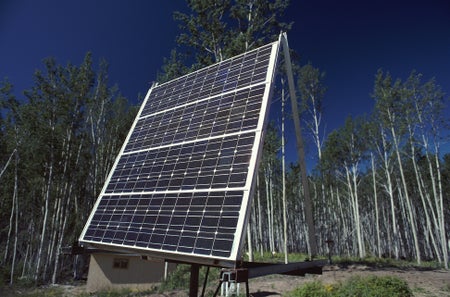
Energy Secretary Talks Climate Challenge
A brief portion of the December 9 conversation during the climate talks in France between Secretary of Energy Ernest Moniz and Scientific American’s David Biello
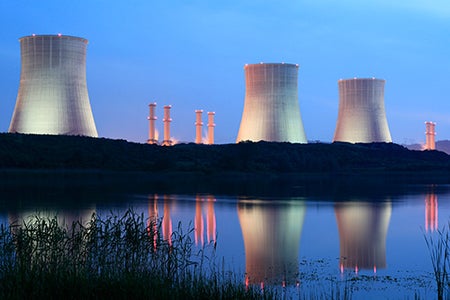
Nuclear Power Must Make a Comeback for Climate's Sake
James Hansen and other climate scientists argue for more reactors to cut coal consumption

Gates Joins Big Wigs in Paris to Push Clean Energy Initiative
At U.N. climate change summit, philanthropist touts informal club of 28 private investors who will pump money into R&D