
HARARE, May 3 (Reuters) - Zimbabwe put its wild animals up for sale on Tuesday, saying it needed buyers to step in and save the beasts from a devastating drought.
Members of the public "with the capacity to acquire and manage wildlife" - and enough land to hold the animals - should get in touch to register an interest, the state Parks and Wildlife Management Authority said.
There were no details on the animals on offer or their cost, but the southern African country's 10 national parks are famed for their huge populations of elephants, lions, rhinos, leopards and buffalos.
On supporting science journalism
If you're enjoying this article, consider supporting our award-winning journalism by subscribing. By purchasing a subscription you are helping to ensure the future of impactful stories about the discoveries and ideas shaping our world today.
A drought across the region has left more than 4 million Zimbabweans needing aid and hit the crops they rely on for food and export earnings, from maize to tobacco.
It has also exacerbated an economic crisis in the cash-strapped country that has largely been deserted by foreign donors since 1999.
Selling the animals would give some of them a new home and ease financial pressure on the parks authority, which says it receives little government funding and struggles to get by on what it earns through hunting and tourism.
"In light of the drought ... Parks and Wildlife Management Authority intends to destock its parks estates through selling some of the wildlife," the authority said in a statement.
It asked interested Zimbabweans to get in touch and did not mention foreign buyers. Parks authority spokeswoman Caroline Washaya-Moyo would not say whether the animals could be exported or how many it wanted to sell.
"We do not have a target. The number of animals depends on the bids we receive," she said.
There was no immediate comment from the wildlife groups that protested loudly last year when Zimbabwe exported 60 elephants, half of them to China, where the animals are prized for their tusks.
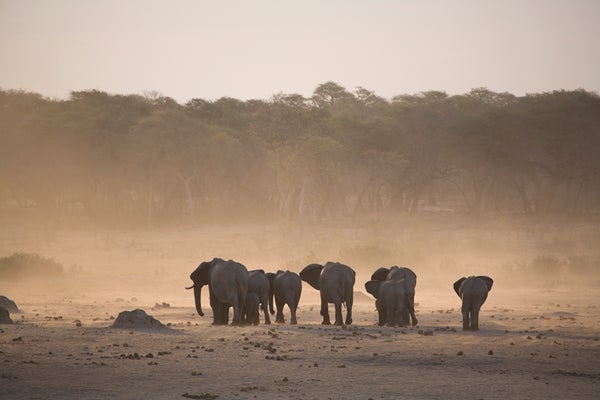
About 54,000 of Zimbabwe's 80,000 elephants live in the western Hwange National Park, more than four times the number it is supposed to hold, the agency says.
The drought is expected to worsen an already critical water shortage in Hwange, which has no rivers and relies on donors to buy fuel to pump out underground wells.
The privately-owned Zimbabwe Independent newspaper reported in February that Bubye Conservancy, a private game park in southern Zimbabwe, could be forced to kill 200 lions to reduce over-population.
Many hunters have stayed away, the paper quoted Bubye general manager Blondie Leathem as saying, since the furor over the killing of Cecil, a rare black-maned lion, by a U.S. dentist last year. (Reporting by MacDonald Dzirutwe; Editing by James Macharia and Andrew Heavens)