

By Stuart McDill
LONDON, May 10 (Reuters) - One in five types of plant worldwide is at risk of extinction from threats such as farming and logging that are wrecking many habitats, a first global overview of plant life said on Tuesday.
In total, 391,000 types of plants are known to science, from tiny orchids to giant sequoia trees, according to the "State of the World's Plants" written by 80 experts led by the Royal Botanic Gardens (RBG) at Kew, in London.
On supporting science journalism
If you're enjoying this article, consider supporting our award-winning journalism by subscribing. By purchasing a subscription you are helping to ensure the future of impactful stories about the discoveries and ideas shaping our world today.
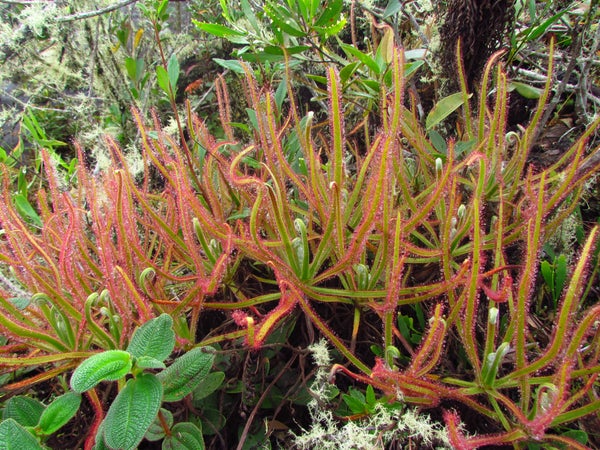
And despite 21 percent of all the species being threatened with extinction, the report also said new plants were still being discovered, such as a 1.5 metre (5 feet) tall insect-eating plant on a mountaintop in Brazil in 2015.
Nonetheless, the experts said many parts of the world were suffering rapid change, such as from the felling of tropical forests to make way for farms and cities. Global warming was among other man-made risks.
"There's a huge change going on, mainly agricultural change and land for urbanisation," said Kathy Willis, RBG Kew's director of science. The report, meant as a first annual audit of the world's plants, omits plants such as algae and mosses.
Willis said a rising world population of more than 7 billion people needed food and places to live and that scientists should be pragmatic and help identify areas most in need of conservation.
The study said 31,000 plant species had documented uses such as in medicines, food or building materials. Little-known plants might have unknown benefits, such as resilience to diseases.
"If we completely clear the land and have a type of monoculture what happens when a new plant disease emerges and wipes out the crop entirely?" asked Steve Bachman, a species conservation researcher at RBG.
About 2,000 new types of plant were still being described every year.
The one found in Minas Gerais, Brazil, was the drosera magnifica, one of the largest known carnivorous plants. It was identified by a specialist in sundew plants who was reviewing photographs on Facebook taken by an orchid hunter.
Tim Utteridge, head of identification at RBG, said carnivorous plants had a wide following online, helping identification of unknown specimens.