
By Julie Steenhuysen
New York City's health department on Friday reported the first documented case of sexual transmission of Zika from a woman to her male partner, raising new concerns about the spread of the virus, which is typically contracted through mosquito bites.
Scientists say it may take years to fully understand how long individuals who are infected with Zika are capable of transmitting the virus, the first mosquito-borne disease ever shown to cause birth defects after a pregnant woman becomes infected. U.S. researchers have begun studying how long the virus can survive in semen to gauge the risk.
On supporting science journalism
If you're enjoying this article, consider supporting our award-winning journalism by subscribing. By purchasing a subscription you are helping to ensure the future of impactful stories about the discoveries and ideas shaping our world today.
All previously reported cases of sexual transmission were spread from men who had traveled to a Zika outbreak area to a female or male sex partner who had not. Such cases have been reported in at least 11 countries, including the United States and France.
The ability of Zika to spread through sex could help it gain a foothold outside of the tropical climates that are home to the Aedes aegypti mosquito, which carries Zika as well as dengue, chikungunya and Yellow Fever.
The current Zika outbreak was first detected in Brazil last year and has spread through the Americas by mosquito, but has yet to reach the continental United States in that manner.
In the New York case, transmission of the virus occurred on the day that a woman in her 20s returned to the city from an area with active Zika transmission and had a single encounter of unprotected sex with a male partner, according to a report published by the U.S. Centers for Disease Control and Prevention. The man had not traveled outside of the United States in the prior year.
The woman developed fever, fatigue, a rash and body aches the next day, and sought treatment. Health department officials then confirmed her infection.
When her male partner developed symptoms seven days later and sought treatment from the same caregiver, he, too, was diagnosed with Zika.
New York and CDC health officials reported the case in the CDC's weekly report on death and disease. They said the circumstances support the idea that Zika can pass from women to men through unprotected vaginal sex.
PREVENTING RISK
U.S. health officials have concluded that Zika infections in pregnant women can cause microcephaly, a rare birth defect marked by small head size that can lead to severe developmental problems in babies. Brazil, which has been hit hardest by the outbreak so far, has confirmed more than 1,600 cases of microcephaly linked to Zika.
The virus also has been shown to cause fetal abnormalities affecting limbs, eyes and ears, and can increase the risk of stillbirth.
So far, there have not been any documented cases of local, mosquito-borne transmission of Zika in the United States. However, in a Senate hearing on Wednesday, CDC Director Dr. Thomas Frieden said it is plausible that such transmissions have already occurred and not been detected.
Frieden urged U.S. lawmakers to approve extra money to fight the Zika outbreak, but yesterday Congress adjourned for a seven-week recess without approving any of the $1.9 billion requested by the Obama administration to fund the effort.
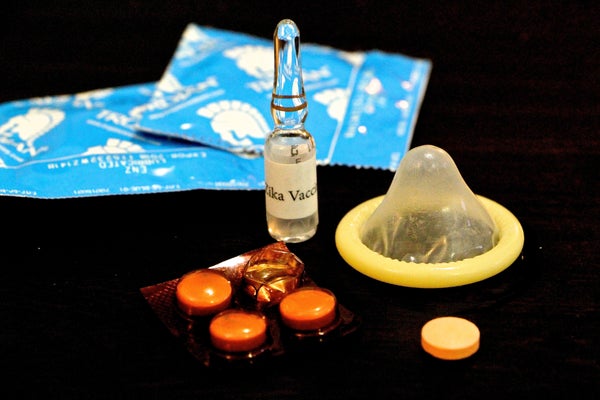
The CDC recommends that all pregnant women who have a sex partner who has traveled to or resides in an area with Zika use protective measures such as condoms or abstain from sex during the pregnancy. The agency will update its guidelines for couples who may be planning to become pregnant.
Although no cases of woman-to-woman Zika transmission have been reported, these recommendations now also apply to female sex partners of pregnant women, CDC said.
It was not clear from the New York report whether Zika was spread to the male sex partner through vaginal or other fluids. Previous studies in monkeys and people have shown the presence of the virus in vaginal fluid.