
Experts have been worried for a while that time is running out for the last working cures for gonorrhea infections. On Wednesday, some revealed there may be even less time left on the clock than had been previously thought.
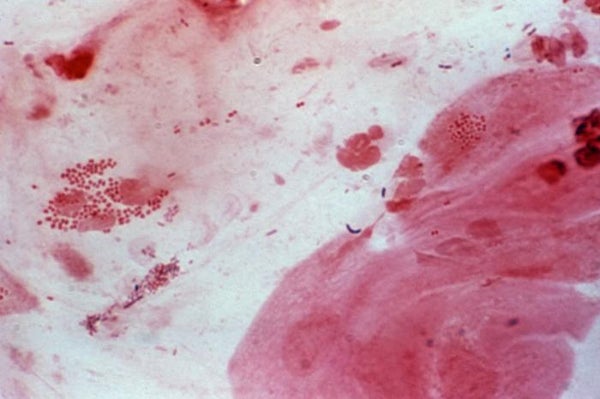
Scientists from the Centers for Disease Control and Prevention and Hawaii’s department of health reported a cluster of cases of gonorrhea in that state in which the Neisseria gonorrhoeae bacteria showed high-level resistance to one of the drugs, azithromycin, as well as reduced susceptibility to the second drug, ceftriaxone.
The two drugs are used in combination, a move experts hope will slow down the bacteria’s relentless march through the antibiotic medicine cabinet.
On supporting science journalism
If you're enjoying this article, consider supporting our award-winning journalism by subscribing. By purchasing a subscription you are helping to ensure the future of impactful stories about the discoveries and ideas shaping our world today.
There had already been signs that the bacteria, which have vanquished multiple other antibiotics, were starting to be able to evade these ones as well. Since 2005, there have been four isolated cases reported in which the Neisseria gonorrhoeae bacteria had reduced susceptibility to both drugs. But this is the first time a cluster of such cases has been seen in the US.
“Our last line of defense against gonorrhea is weakening,” Dr. Jonathan Mermin, director of CDC’s National Center for HIV/AIDS, Viral Hepatitis, STD, and TB Prevention said in a statement.
“If resistance continues to increase and spread, current treatment will ultimately fail and 800,000 Americans a year will be at risk for untreatable gonorrhea.”
Untreated gonorrhea can cause chronic pelvic pain, infertility, and ectopic pregnancies—in which a fertilized egg starts to develop in a fallopian tube, not the uterus. Ectopic pregnancies can be life-threatening.
The cluster of cases described by Dr. Alan Katz of Hawaii’s state board of health involved six men and a woman, but was in fact undoubtedly larger. They did not have sex with each other, so must have been infected by other people.
Katz said the seven people reported a total of eight sexual partners. Four of the eight agreed to be tested, but none was infected.
Analysis of the genetic sequences of the viruses showed they were closely related, Katz said.
All seven people were cured of their infections. But it seems only a matter of time before treatment failures occur. Earlier this year doctors from Britain reported that a man infected with gonorrhea was not cured by his first course of antibiotics, though follow-up treatment three months later did quell the infection.
If this combination of drugs fail, there is no other treatment option currently available. Several experimental antibiotics are in development and one has recently been shown to be effective in a Phase 2 trial. But it is still likely years away from hitting the market.
Republished with permission from STAT. This article originally appeared on September 21, 2016