

By Emma Farge
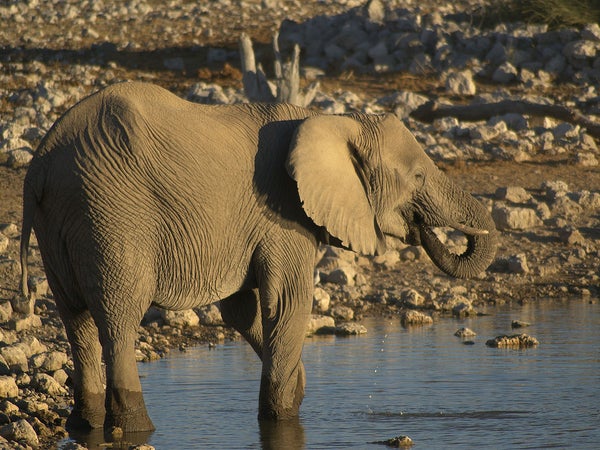
DAKAR, Jan 28 (Reuters) - Mali's elephants, one of just two remaining desert herds in the world, will be gone in three years unless the government does more to protect them, a conservation group said on Thursday.
Poachers have taken advantage of the chaos from a growing Islamist insurgency and other unrest in the lawless north to step up ivory trafficking - a trade that the United Nations says funds militants.
On supporting science journalism
If you're enjoying this article, consider supporting our award-winning journalism by subscribing. By purchasing a subscription you are helping to ensure the future of impactful stories about the discoveries and ideas shaping our world today.
Sixteen elephants have been killed so far this month, adding to more than 80 slaughtered in 2015, said Susan Canney, director of Mali Elephant Project for the WILD Foundation.
"We have 50 rangers waiting to be deployed but they are held up waiting for official approval and firearms from the government," she told Reuters.
"Mali is standing by while the elephants are being slaughtered ... If we continue at this rate, they will all be gone in three years."
The last aerial census in 2007 showed 350 animals.
The West African country's government could not immediately be reached for comment. The army has deployed some forces to the Gourma region in recent weeks to boost surveillance.
Malian tusks are thought to be sold on the black market for up to 3 million CFA Francs ($5,000), according to Canney.
The African deserts and savannahs stretching between the Gulf of Guinea and the Nile Basin once held tens of thousands of elephants but poaching and loss of habitat has dramatically cut their numbers. Most now live in small, scattered groups.
Namibia is home to the world's only other known desert herd.
Separately, police in Gabon this week arrested three men on suspicion of ivory trafficking after a search that lasted for weeks, the Conservation Justice campaign group said on Thursday.
The three Gabonese men were caught in Tchibanga with 43 kg (95 lb) of ivory, it added. Last month, Gabon seized around 200 kg of ivory in what may have been its largest catch ever. ($1 = 598.3900 CFA francs) (Reporting by Emma Farge; Additional reporting by Gerauds Wilfried Obangome in Libreville, Tiemoko Diallo in Bamako and Edward McAllister in Dakar; Editing by Andrew Heavens)
Why Is Namibia Killing Its Rare Desert Elephants?
Poaching Could Drive Elephants Extinct in Decades
Slaughtered for Ivory: 65 Percent of Forest Elephants Killed Since 2002