
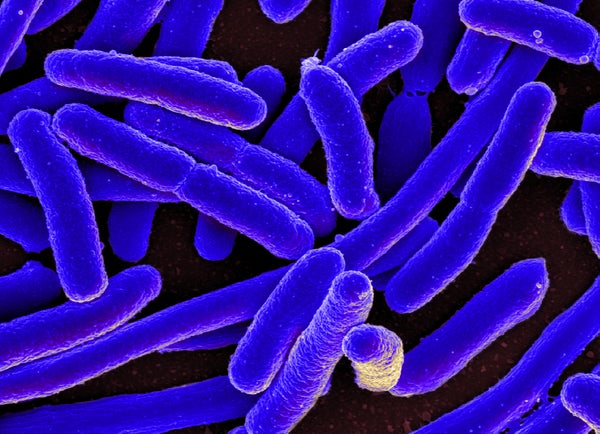
A strain of E. coli resistant to two last-resort antibiotics has for the first time been reported in the United States.
The strain was found in the urine of a man treated at a New Jersey hospital two years ago. It was tested in 2016 as part of a larger analysis of bacteria from the hospital.
For hard-to-treat bacteria infections, the antibiotics colistin and carbapenem are considered the big guns—a last line of defense when nothing else is working. In recent months mcr-1, a gene which confers resistance to colistin, has been found in E. coli from over 30 countries, including bacteria isolated from pigs and people in China and a patient in New York City.
On supporting science journalism
If you're enjoying this article, consider supporting our award-winning journalism by subscribing. By purchasing a subscription you are helping to ensure the future of impactful stories about the discoveries and ideas shaping our world today.
Similarly the gene blaNDM-5 renders the antibiotic carbapenem useless against its bacterial carrier. In 2012, the Centers for Disease Control and Prevention found carbapenem-resistant bacteria in about 4 percent of US hospitals.
Researchers and health officials have feared the joining of these two genes in a single bacterial strain, as it could set the stage for the rise of superbugs that can’t be treated with our current arsenal of drugs. The combination has been detected before in other countries, including Germany, Venezuela, and China, but until now, it has never been seen within the United States.
Fortunately, although the E. coli in this case was resistant to carbapenem and colistin, the strain was susceptible to some other antibiotics. And so far there’s no evidence that the bacteria spread from the patient tested.
But finding mcr-1 and blaNDM-5 together is still concerning. Each gene is carried on a separate bacterial plasmid, a segment of DNA that has the potential to hop around between bacteria of different strains. Detecting the combination once in the United States means there’s likely more out there.
“The bad news is that since this occurred two years ago, there are clearly other strains out there we haven’t detected yet,” senior study author Barry Kreiswirth, a professor of medicine at Rutgers University, said in a press release.
Overuse of antibiotics in medicine and animal husbandry has been blamed for the rise of superbugs, which will likely pose the most threat to patients who are already sick or otherwise vulnerable. In their report published in the journal mBio, Kreiswirth and coauthors suggest their discovery should encourage “active surveillance” for bugs that carry both genes.
Republished with permission from STAT. This article originally appeared on August 29, 2016