
ArgonautFebruary 12, 2025
Return-to-Office Demands Don’t Benefit Employees or Businesses
Donald Trump has joined big firms in demanding workers end remote work. But the evidence suggests that hurts both workers and the work
Return-to-Office Demands Don’t Benefit Employees or Businesses
Donald Trump has joined big firms in demanding workers end remote work. But the evidence suggests that hurts both workers and the work
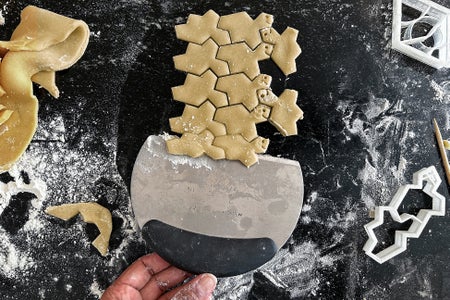
A Little Math Can Streamline Holiday Cookie Making
Making cookies is time- and labor-intensive. Here’s how a little math can make it easier and less wasteful this holiday season


I Destroyed a Car to Explore Some Music Myths
Two years of experimentation taught a Nashville guitarist not every musical myth makes sense
You Don't Know as Much as You Think: False Expertise
New research suggests that people who think they are experts tend to fall into the trap of overclaiming
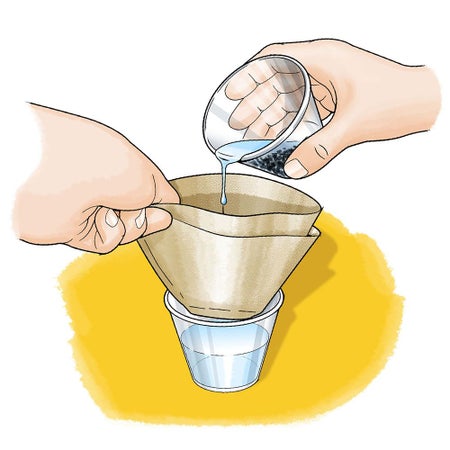
Capable Carbon Filters
An adsorbing science project by Science Buddies
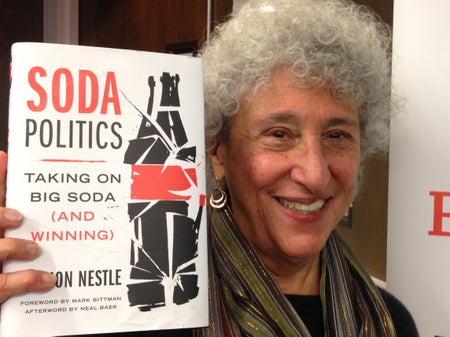
Marion Nestle Talks "Soda Politics"
Marion Nestle, author of Soda Politics: Taking on Big Soda (and Winning), talked December 14 in New York City about Coca-Cola's attempt to fund research designed to find sugared soft drinks innocent in contributing to obesity
Using Attachment Theory to Understand Facebook Stalking
Social media has made digital voyeurism the norm, but some of us are more inclined to pursue online surveillance than others
Folded or Flat Paper Towel: Which One Absorbs More Water?
A soggy project from Science Buddies

How to Treat a Headache without Drugs
If you find yourself taking headache medication more often than you'd like, try these drug-free approaches next time a headache looms

Scientists of the 2016 #TEDFellows Class
The newest TED Fellows have been announced and nine are scientists, representing eight different countries.

The Creativity Bias against Women
Research shows that females are perceived as less “creative” in many contexts

Obese Dad's Sperm May Influence Offspring's Weight
Overweight men’s sperm undergo epigenetic changes that may alter a child’s brain development and appetite control. Christopher Intagliata reports