
TechnologyMay 27, 2026
Iran’s cable threats expose the aging fleet that fixes the Internet
A small, aging fleet repairs the fiber-optic cables that carry data around the globe, and conflict zones can slow that work to a crawl
Iran’s cable threats expose the aging fleet that fixes the Internet
A small, aging fleet repairs the fiber-optic cables that carry data around the globe, and conflict zones can slow that work to a crawl

This sci-fi novel asks—can what you will never know kill you?
There Is No Antimemetics Division explores how to survive when memories and meaning are malleable


Math and statistics help explain the FBI’s ‘missing scientists’ cases
Statistical principles show you don’t need a nefarious plot to explain clusters of missing scientists and lab workers

Open-source software has an invisible vulnerability. Hackers have found it
A cybercrime campaign called GlassWorm is hiding malware in invisible characters and spreading it through software that millions of developers rely on
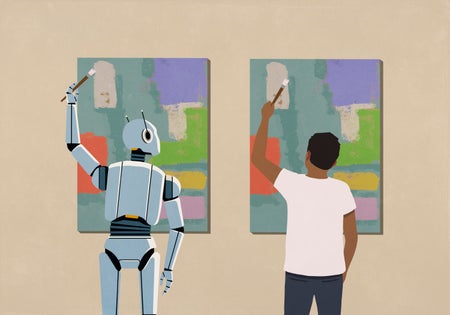
People who know more about AI art find it less ethical
When people understand the system and process behind AI art, its moral implications become harder to accept

What we risk when we confuse AI and human intelligence
Putting humans and LLMs head-to-head in classic tests of judgment from human psychology underscores the differences between them

The mathematical mystery inside the legendary 1990s shooter Quake 3
Deep within the source code of this online multiplayer game lies an enigmatic number that puzzles and inspires experts to this day

Epstein files show a complicated relationship with science and journalism
Jeffrey Epstein aggressively sought access to publishers, mentions of Scientific American and other media in Department of Justice files show
Wikipedia at 25: Science’s Front Page Faces a New Era
Wikipedia had to fight to establish its legitimacy—and now it faces a new existential threat posed by generative AI

The unlikely story of an e-mail time machine
Twenty years ago Forbes.com sent hundreds of thousands of messages to the future. Here’s what happened next

The human network behind a digital time capsule
Scientific American’s editor in chief David M. Ewalt reflects on a 20-year experiment in e-mailing the future
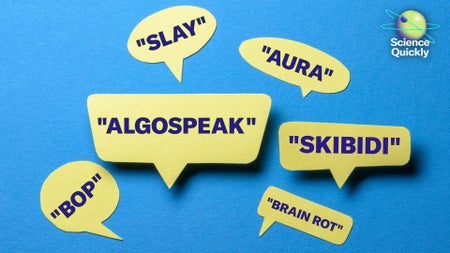
The Linguistic Science behind Viral Social Media Slang
Linguist Adam Aleksic explains how viral slang and algorithm-driven speech aren’t destroying language––they’re accelerating its natural evolution.