NeuroscienceSeptember 16, 2026
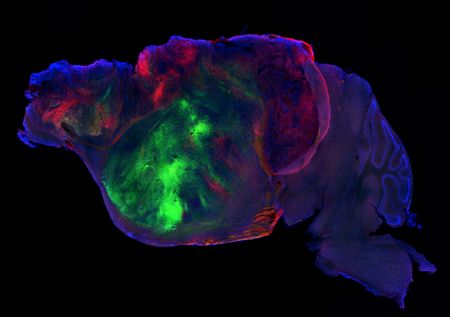
Human ‘mini brains’ mesh with mouse minds to form active neural circuits
The technique opens new possibilities for investigating neurological conditions, from autism to dementia
Human ‘mini brains’ mesh with mouse minds to form active neural circuits
The technique opens new possibilities for investigating neurological conditions, from autism to dementia
How our sense of beauty takes shape in the brain
A new study tries to map why humans can experience beauty collectively

Something unique seems to be happening to the brain in menopause
A new study finds sharp contrasts between brain changes in menopause and those during pregnancy and puberty
Music helps soothe the brain when we are stressed
Music doesn’t just mask stress; it guides our brains back to a calm state

Nature may have a preferred tempo
From flashing fireflies to human music, many biological rhythms appear to converge on the same rhythmic range
New brain scan tool could help expose a devastating and incurable genetic condition
Huntington’s disease is an inherited condition that gradually robs people of their ability to move, speak and even think clearly—there is no cure

How the brain learns to read is an evolutionary mystery—a new study offers clues
Reading hasn't been around for long, evolutionary speaking. Instead, the brain recruits systems evolved for other purposes
How psilocybin alters consciousness to create a sense of ‘oneness’
Psychedelics can create a new “hidden order” in brain activity that could explain how these drugs alter our sense of self
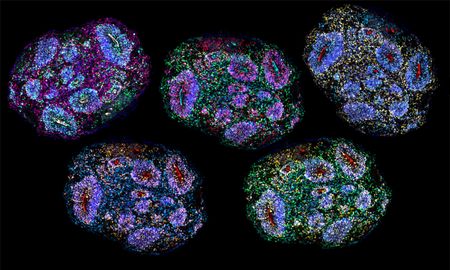
‘Mini brains’ kept alive for years appear to age like real brains
Miniature models of the human brain can be kept alive for years, allowing scientists to study neural development and brain diseases
Why your brain turns life into stories
Neuroscience is revealing how our brains are wired for narrative
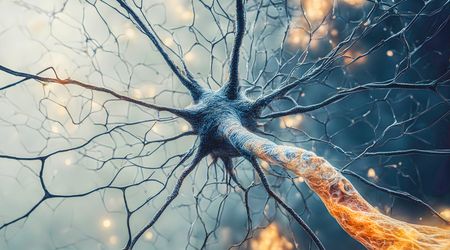
Neuroscientists have vastly underestimated brain cells’ computing power
A new study shows that each neuron can do multiple computations at once thanks to hundreds of sprawling branches
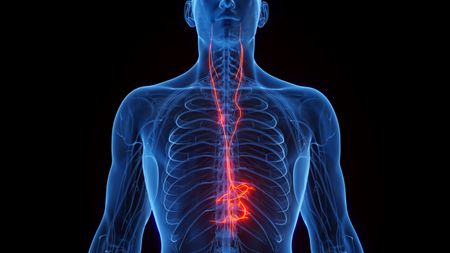
Scientists are closer than ever to understanding the power of the vagus nerve
The vagus nerve is the autonomic nervous system’s highway, connecting every major organ