Why your ability to cope with stress changes with time
Seasonal changes have more effects on your biology and behavior than you might realize

Why your ability to cope with stress changes with time
Seasonal changes have more effects on your biology and behavior than you might realize

GTA has always raised anxieties over video games and violence—here’s what the science actually says
The evidence in favor of and against video games promoting aggressive behavior is murkier than you might think


Why trauma changes how our memory engages with our conscious experience
Trauma can distort how memories are stored and retrieved in the brain

Monkeys keep pets and maintain friendships with other animals
This behaviour may shed light on one of the defining features of our own species: our extraordinary relationships with other animals

Why loneliness and not social isolation may be making you sick
One in six people are thought to experience loneliness, and that can have a serious knock-on effect on their mental and physical health

Psychology researchers know why The Odyssey transcends time
The “hero’s journey” narrative structure seen in the ancient Greek story can help people make meaning in their own lives

Accidental mix-ups of sounds reveal how the brain produces speech
Spoonerisms are among the most well-known speech errors, and for linguists and psychologists they offer a glimpse into how our brains produce speech

How working memory could give rise to consciousness
Working memory is the information we need to access to complete the tasks we’re engaged in right now, and scientists think it may be closely entwined with consciousness

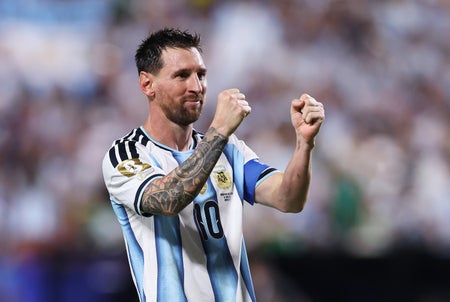
Five psychology tricks soccer stars like Mbappe, Haaland and Messi use to stay sharp at the World Cup
Sports psychology plays a major role on and off the pitch, helping players manage chaos and stay strategic

Attachment style may influence how many kids people have
People with “fearful” or “preoccupied” insecure attachment styles had more children, whereas securely attached people had fewer, according to a recent study

Geoffrey Hinton
The machine-learning guru discusses how politics is undermining U.S. science

Depression scales may not work the same for highly intelligent people
Research suggests depression assessment questionnaires can’t reliably compare people with differing intelligence