TechnologyAugust 10, 2015
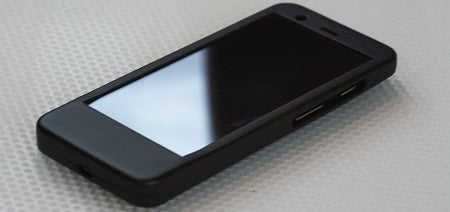
Smartphone Screen Lets You Reach Out and Touch Some "Thing"
Northwestern University researchers have developed a phone add-on that gives physical feedback
The emergence of mobile “assistive” technologies, influenced heavily by the passage of the Americans with Disabilities Act (ADA) 25 years ago, marks a major step forward for people with disabilities, unlocking unprecedented new possibilities for communication, navigation and independence
Courtesy of Photodisc
Smartphone Screen Lets You Reach Out and Touch Some "Thing"
Northwestern University researchers have developed a phone add-on that gives physical feedback

5 Mobile Technologies Help Level the Playing Field for People with Disabilities [Video]
The American’s with Disabilities Act has influenced development of smartphones, tablets and other mobile gadgets to help the disabled
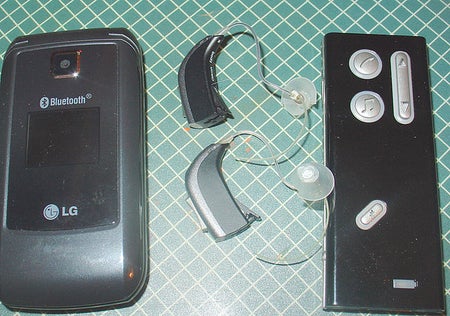
Hearing Aids Meet the Future with Bluetooth Tech
Small, discreet and often Bluetooth-enabled, the new generation of hearing aids can connect wirelessly with smartphones

Next-Generation Exoskeletons Will Meld Mind and Machine
Instead of remotes or crutches, future mobility aids could communicate directly with the nervous system

Smart Cane Could Help Blind ID Faces
High-tech sticks could help visually impaired people spot obstacles and even identify acquaintances as they approach. Larry Greenemeier reports
Intel Upgrades Stephen Hawking's Portal to the World
Movie audiences who went to theaters this fall to see The Theory of Everything got a glimpse of the challenges physicist Stephen Hawking has overcome to deliver his groundbreaking insights into the nature of black holes, space and time.
World Cup to Debut Mind-Controlled Robotic Suit
Scientific American speaks with the scientist behind an innovation that will enable a paralyzed person to walk and “feel” it
Neural Workaround Makes for More Practical Bionic Limbs
The secret to building brain-controlled prostheses may be to ignore the brain entirely
A New Cyber Concern: Hack Attacks on Medical Devices
The FDA issues guidelines to manufacturers to protect their products
Intel Breakthroughs May Help Stephen Hawking Communicate
A breakthrough may speed communication
The Eyes Have IT Scrolling
Samsung's next product is expected to have a display that senses eye movement and can scroll accordingly. Larry Greenemeier reports
Chipmaker Races to Save Stephen Hawking’s Speech as His Condition Deteriorates
Intel is developing communication technology that can quickly process and respond to signals Hawking sends from the few muscles in his body that he can still control
Impermanent Press: New Deformable Surface to Give Smart Phone Touch Screens Raised Tactile Keyboards
Flexible keys raised by fluid or gas on a touch screen surface applied to smart phones, tablets and other consumer electronics gadgets are expected to debut in 2013
Belt Warns Visually Impaired about Obstacles
The Kinecthesia belt has sensors and a series of motors that send vibrations to the wearer to indicate the position of obstacles. Larry Greenemeier reports
Bold Stroke: New Font Helps Dyslexics Read [Slide Show]
Dutch researcher designs distinct characters into "Dyslexie" to make it more difficult for dyslexics to rotate, swap and mirror letters and numbers
Texture Messaging: Breakthrough May Help Spinal Cord Patients Experience Tactile Sensations
In a first-ever experiment, primates move and feel objects on a computer screen using only their thoughts
Say What? Google Works to Improve YouTube Auto-Captions for the Deaf
Google continues to develop speech-recognition software that can automatically generate captions for all videos posted to YouTube, but challenges remain
Sign of the Times: Deaf Find Their Voices via Mobile Video and Apps
The emergence of video MMS and chat, in particular, keep the deaf and hard of hearing connected—all the while preserving sign language
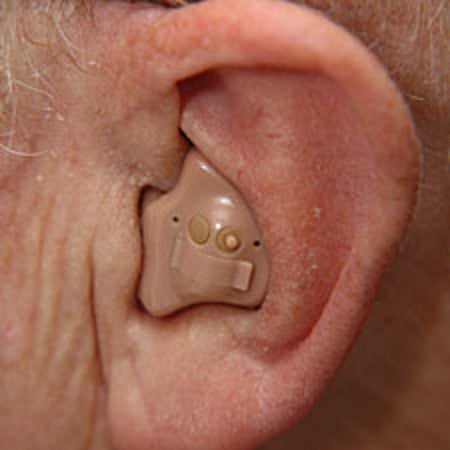
Loopy Hearing Aid Idea Brings In Speech Loud and Clear
U.S. slow in adopting helpful hearing induction loops
Tasting the Light: Device Lets the Blind "See" with Their Tongues
A pair of sunglasses wired to an electric "lollipop" helps the visually impaired regain optical sensations via a different pathway
Getting in Touch: Virtual Maps for the Blind
Tactile models based on video footage could make navigating a new city easier
Impaired Sight, Asylums, and more
Induced by Insulin Ofset by Oxygen
The Education of the Deaf and Dumb