
MedicineJune 16, 2026
Proposed White House regulations could kill 5,000 clinical trials, analysis finds
The Trump administration is mulling new rules that would give political appointees final say on research grants
Proposed White House regulations could kill 5,000 clinical trials, analysis finds
The Trump administration is mulling new rules that would give political appointees final say on research grants
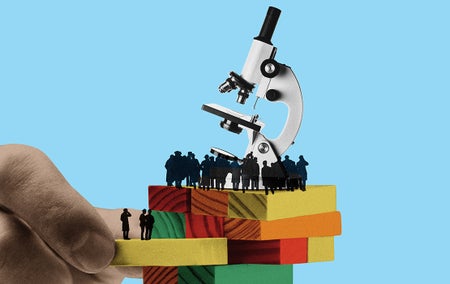
U.S. science is in chaos
How did we get here?


Dozens of countries are trying to lure U.S. scientists abroad—and it’s working
The great American brain drain could define science for a generation
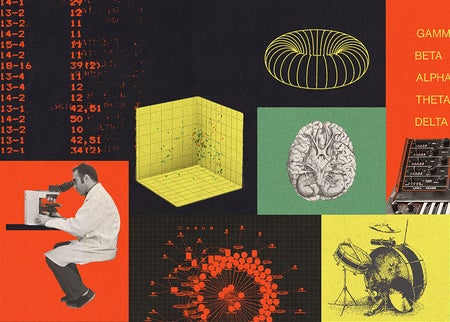
What people get wrong about scientists
Scientists are seen as oddballs, and that’s a problem

James Manyika
The Google senior vice president talks about the need to reset the relationship between the government and academic and industrial science

SpaceX’s historic IPO ignites the new space race
SpaceX’s IPO—the largest in history—has out-of-this-world implications for AI, space commerce and extraterrestrial exploration

Obstetricians oppose CDC to recommend more shots for moms
In a first, the American College of Obstetricians & Gynecologists released its own vaccine schedule
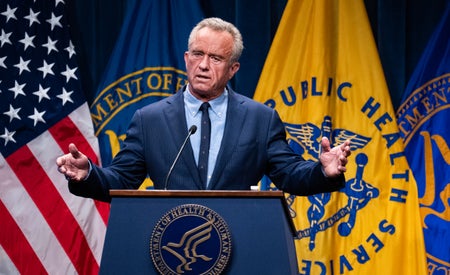
Americans’ trust in the CDC has plummeted since 2025, new poll finds
A mere 12 percent of Americans say they trust the U.S. Centers for Disease Control and Prevention’s recommendations “a great deal”
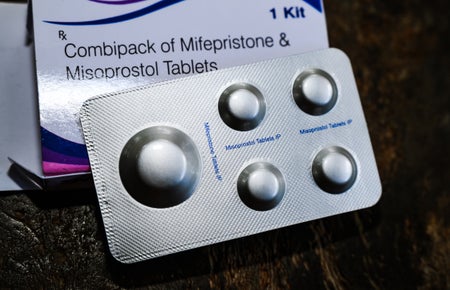
Report: FDA just launched a study on the abortion pill
The FDA’s ongoing review of mifepristone could skip over established science, health experts warn
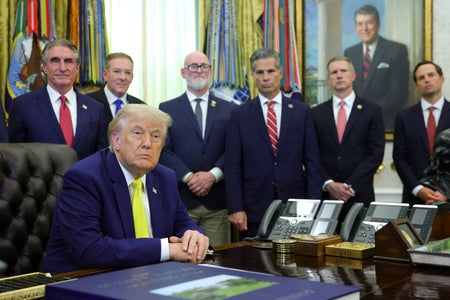
Trump invokes Defense Production Act to keep U.S. coal plants running
Coal is the most significant fossil fuel contributor to climate change
White House reclassifies federal epidemiologists and other scientists from civil servants to ‘at-will’ hires
The long-anticipated “Schedule F” order strips job protections meant to safeguard federal employees from political interference

Top U.S. science funder slows research grants to universities
It's not clear why the National Science Foundation may be limiting funding to certain U.S. universities