AgricultureSeptember 13, 2021
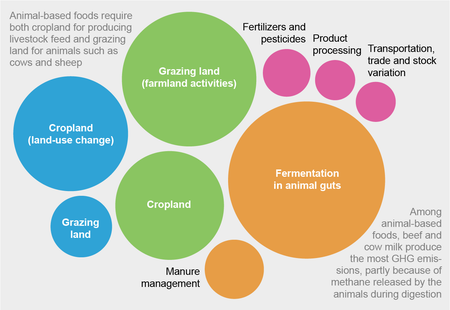
Here’s How Much Food Contributes to Climate Change
Animal-based foods produce about twice the emissions of plant-based ones, a new comprehensive study finds
Here’s How Much Food Contributes to Climate Change
Animal-based foods produce about twice the emissions of plant-based ones, a new comprehensive study finds
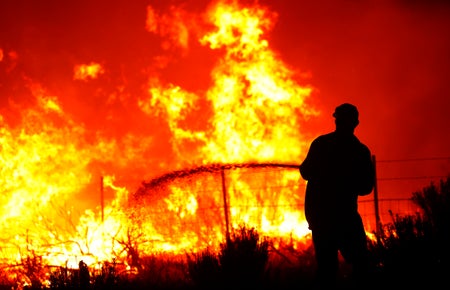
‘Explosive’ Dixie Fire Could Become Biggest in CA History
Extremely dry conditions could help the blaze overtake last year’s August Complex fire as the record holder

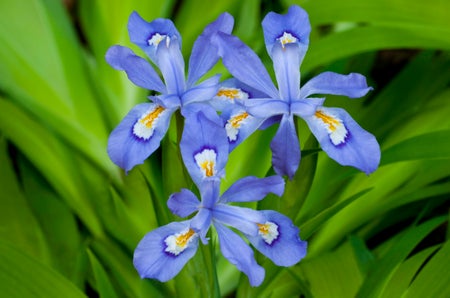
In Missouri, a Human ‘Bee’ Works to Better Understand Climate Change’s Effects
Researcher Matthew Austin has become a wildflower pollinator, sans the wings.
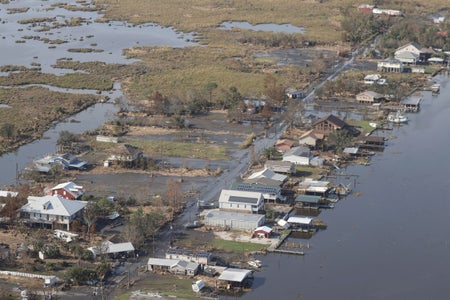
Hurricane Ida May Spark Mass Migration
Like Katrina before it, the storm may make living conditions untenable in hard-hit areas
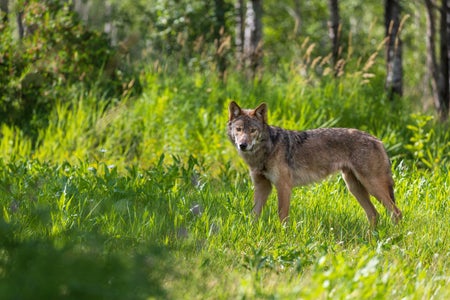
Wolf Populations Drop as More States Allow Hunting
Repercussions of planned and anticipated wolf hunts and traps could ripple through ecosystems for years to come, scientists say
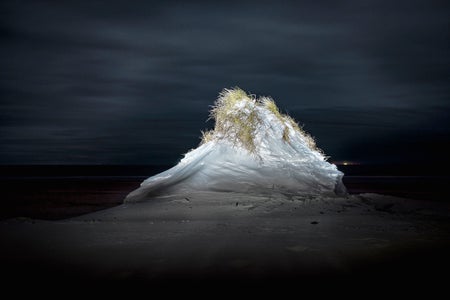
Summer of Science Reading, Episode 3: Abandoned and Underground but Not Lost
In Science Book Talk, a new four-part podcast miniseries, host Deboki Chakravarti acts as literary guide to two science books that share a beautiful and sometimes deeply resonant entanglement.
In this week’s show: Underland, by Robert MacFarlane, and Islands of Abandonment, by Cal Flyn.
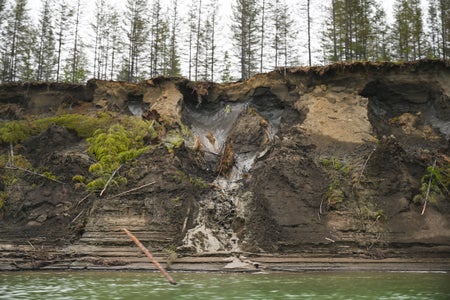
Paleoclimate Data Raise Alarm on Historic Nature of Climate Emergency
The new Intergovernmental Panel on Climate Change report uses data from our planet’s distant past to better understand current warming
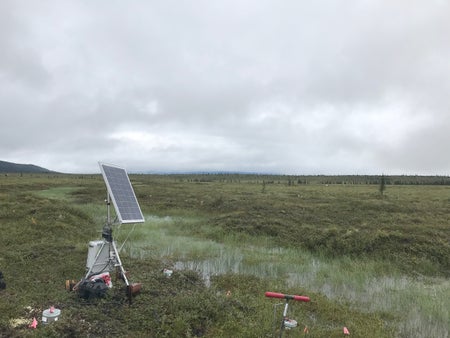
How Much Worse Will Thawing Arctic Permafrost Make Climate Change?
Global warming is setting free carbon from life buried long ago in the Arctic’s frozen soils, but its impact on the climate crisis is unclear
Life inside the Extinction
These are startling times, but there’s a way out
The Crazy Scale of Human Carbon Emission
Want some perspective on how much carbon dioxide human activity produces? Here it is

Will Mines, Tunnels and Drilling Scar Earth Permanently?
Human activity has left permanent marks on the planet
Through the Anthropocene Looking Glass
There’s no doubt that humans have drastically changed the Earth. The global scale impacts of humans on the environment has led many scientists, scholars, and environmentalists to use the term Anthropocene to describe our present geological period.