2. Climate

Getty Images

Join Our Community of Science Lovers!


On supporting science journalism

If you're enjoying this article, consider supporting our award-winning journalism by subscribing. By purchasing a subscription you are helping to ensure the future of impactful stories about the discoveries and ideas shaping our world today.


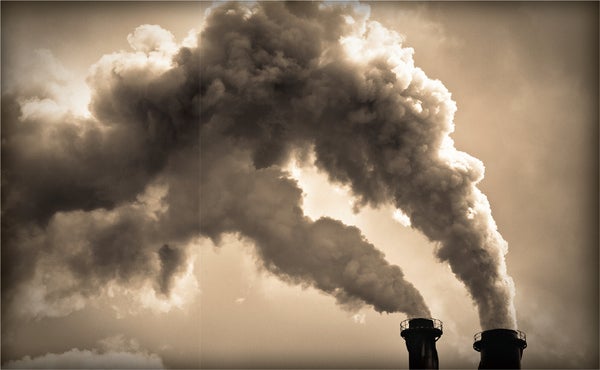
The world is running out of time to avert dangerous warming and keep the rise in global temperature below two degrees Celsius. Although scientists are still debating some specifics of climate change, such as whether warming has already caused Antarctica to lose mass, they clearly agree that global warming is real and that we humans are the culprit. In spite of this scientific consensus, some—including the U.S. president and many Republican representatives in Congress—continue to fiercely deny the existence of climate change and humanity's role in causing it. Their claims are misleading—they cite facts out of context, conjure up their own baseless theories about how the climate works or rely on conspiracy theories. Basic science and mountains of evidence, however, expose the flaws in their arguments. When the U.S. finally comes to terms with climate change, it will still need to decide the best way to cut carbon pollution—which Naomi Oreskes argues will ultimately depend on both the marketplace and government.

Read More:

SA Special Editions Vol 26 Issue 5sThis article was published with the title “2. Climate” in SA Special Editions Vol. 26 No. 5s ()
doi:10.1038/scientificamerican122017-1CiGM1muAr9yPFdddm7SA2

It’s Time to Stand Up for Science

If you enjoyed this article, I’d like to ask for your support. Scientific American has served as an advocate for science and industry for 180 years, and right now may be the most critical moment in that two-century history.

I’ve been a Scientific American subscriber since I was 12 years old, and it helped shape the way I look at the world. SciAm always educates and delights me, and inspires a sense of awe for our vast, beautiful universe. I hope it does that for you, too.

If you subscribe to Scientific American, you help ensure that our coverage is centered on meaningful research and discovery; that we have the resources to report on the decisions that threaten labs across the U.S.; and that we support both budding and working scientists at a time when the value of science itself too often goes unrecognized.

In return, you get essential news, captivating podcasts, brilliant infographics, can't-miss newsletters, must-watch videos, challenging games, and the science world's best writing and reporting. You can even gift someone a subscription.

There has never been a more important time for us to stand up and show why science matters. I hope you’ll support us in that mission.

Thank you,

David M. Ewalt, Editor in Chief, Scientific American

Subscribe