
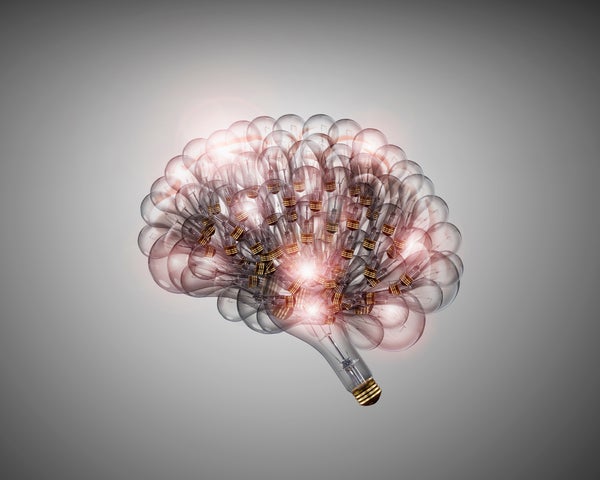

The ‘selfish brain’ theory of evolution describes our brains as taking the energy it needs, typically in the form of glucose, before doling out what remains to the rest of the body. In other words, the brain selfishly prioritizes its own needs which are comparably high.
A recent study from the University of Cambridge put this theory to the test by challenging elite rowers to perform a memory task and a physical rowing task, first separately and then at the same time. Performance in both the memory-related and the physical tasks decreased when the students attempted to accomplish them simultaneously, but their rowing suffered far more than their ability to recall words for the memory task. On average, the participants showed a 30% greater drop in their physical strength than in their cognitive abilities, suggesting the brain does in fact take what it needs first when resources become scarce.
On supporting science journalism
If you're enjoying this article, consider supporting our award-winning journalism by subscribing. By purchasing a subscription you are helping to ensure the future of impactful stories about the discoveries and ideas shaping our world today.
Although the selfish brain theory has been proposed as a possible origin for physical issues like obesity, it may also push back against the idea that we are stuck with an innate level of intelligence. If we can count on our brains to demand our body’s limited resources, can we also count on them to continue to improve even once we’re done growing in adulthood?
»Continue reading “5 Simple Ways to Boost Our Intelligence” on QuickAndDirtyTips.com