
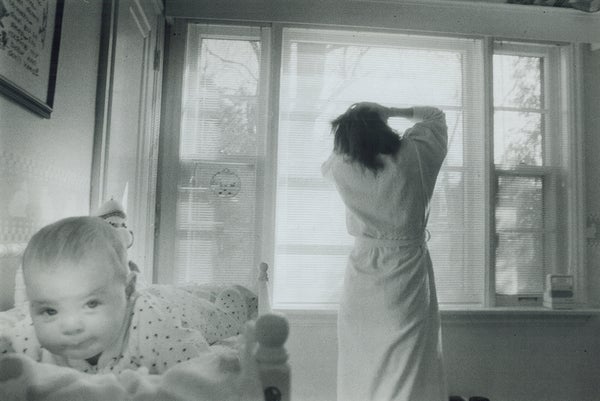
Does postpartum depression serve some evolutionary purpose?
—Clint Johnson, Ridgecrest, Calif.
Anthropologist Edward H. Hagen of Washington State University replies:
Postpartum depression (PPD), which afflicts 10 to 15 percent of new mothers, may have evolved as a strategic response to a lack of social support because it helped in passing on genes successfully. Many doctors believe PPD is triggered by the changes in a mother’s hormones after giving birth, yet studies have failed to find much evidence for a link between extreme hormone fluctuations and PPD. The fact that fathers, who do not experience such changes, also suffer from PPD is strong evidence that it is not “just hormones.”
On supporting science journalism
If you're enjoying this article, consider supporting our award-winning journalism by subscribing. By purchasing a subscription you are helping to ensure the future of impactful stories about the discoveries and ideas shaping our world today.
The finding that PPD often plagues people who have marital problems or little outside support led biologists Randy Thornhill and F. Bryant Furlow of the University of New Mexico and me independently to propose that PPD has an evolved function. Many animals improve their chances of passing on their genes if they desert their young when food or parenting help is scarce and invest instead in future offspring that are more likely to survive and reproduce.
This “parental investment theory” should apply especially well to humans. Human children are “expensive” to raise, requiring years of parenting before they can survive on their own. When a mother lacks support from the father or other family members, she may unconsciously conclude she cannot successfully raise her infant. The ensuing emotional pain from PPD operates somewhat like physical pain: stop what you’re doing—it’s harming your reproductive fitness! Studies confirm that mothers with PPD do significantly reduce parenting efforts and often have thoughts of harming their baby.
This “psychic pain hypothesis” cannot explain the whole story, however, because few parents suffering from PPD abandon their newborn. I propose an additional function of PPD that is like a labor strike, in which a mother’s reduced interest in her baby may serve to elicit help from others. Studies do suggest that higher levels of PPD symptoms in mothers motivate more child care by fathers, and increased social support is one of the best predictors for the remission of PPD.
These hypothesized functions for PPD are far from proved. If you or a loved one is suffering from PPD, contact a doctor immediately—treatments, including antidepressants and talk therapy, are available and effective.