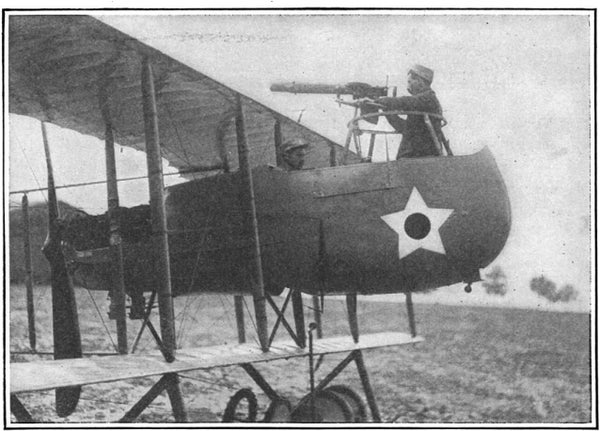
Early Bomber: A Maurice-Farman “Shorthorn” MF11 airplane. The gunner/bombardier sat (or stood) in front of the pilot, the propeller was behind them. The airplane was considered obsolete by the time this image was published.
Scientific American, November 4, 1916
Join Our Community of Science Lovers!
On supporting science journalism
If you're enjoying this article, consider supporting our award-winning journalism by subscribing. By purchasing a subscription you are helping to ensure the future of impactful stories about the discoveries and ideas shaping our world today.
The Great War in Europe had been raging for two years and none of the participants showed any indication that they were nearing the end of their ability to continue the fight. For the nations waging war and desperately searching for victory (or even survival), the leading edge of scientific research had been recruited for the war effort—this trend was especially true for the new technology of aviation. Not only was the science of flight progressing, but the tactical and strategic use of flight was developing by leaps and bounds, as a perusal of these images of aviation research from 1916 can attest.
If you enjoyed this article, I’d like to ask for your support. Scientific American has served as an advocate for science and industry for 180 years, and right now may be the most critical moment in that two-century history.
SciAm always educates and delights me, and inspires a sense of awe for our vast, beautiful universe. I hope it does that for you, too.
If you subscribe to Scientific American, you help ensure that our coverage is centered on meaningful research and discovery; that we have the resources to report on the decisions that threaten labs across the U.S.; and that we support both budding and working scientists at a time when the value of science itself too often goes unrecognized.