
CLIMATEWIRE | BRUSSELS — Textiles, furniture, tires and mattresses will be subject to much stricter design standards to ensure they last longer, as the EU aims to stamp out wasteful consumption, the European Commission confirmed Wednesday.
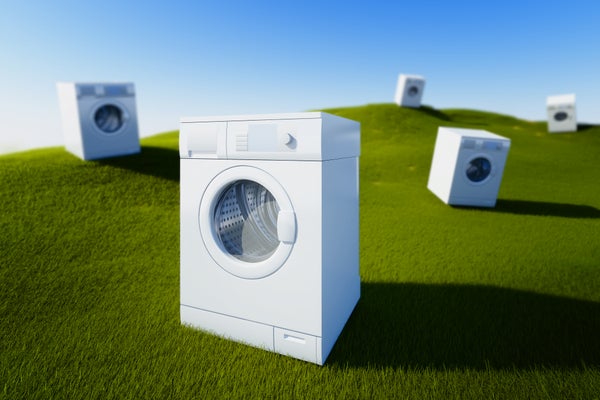
Steel and aluminum will also be included in the first wave of regulations under the Ecodesign for Sustainable Products Regulation (ESPR), along with a range of electronic goods from mobile phones to fridges and washing machines.
The ESPR is intended to embed durability, repairability and recyclability into the design of certain products, with the goal of reducing waste, improving energy efficiency, and boosting the EU’s circular economy. The framework legislation came into law last July, but requires delegated acts before it applies to specific products.
On supporting science journalism
If you're enjoying this article, consider supporting our award-winning journalism by subscribing. By purchasing a subscription you are helping to ensure the future of impactful stories about the discoveries and ideas shaping our world today.
The 2025-2030 working plan, adopted Wednesday, lays out a road map for the ESPR for the next five years, and includes a working plan for the related Energy Labelling Regulation. Chemicals, plastics and footwear had originally been included in the first wave of proposed rules, but were withdrawn earlier this year.
The adoption of the working plan marks “a pivotal moment” that will “deliver significant benefits for all Europeans, create opportunities for businesses and employment, and protect the planet through proven impact on reducing emissions,” EU industry chief Stéphane Séjourné said in a statement.
“These ecodesign rules apply to all products placed on our single market, regardless of their origin-country, ensuring that each of them meets the European Union’s ambitious goals,” he said.
The Commission said the particular rules would now be said through delegated acts “on a product-by-product basis or for groups of similar products.”
Reprinted from E&E News with permission from POLITICO, LLC. Copyright 2025. E&E News provides essential news for energy and environment professionals.