
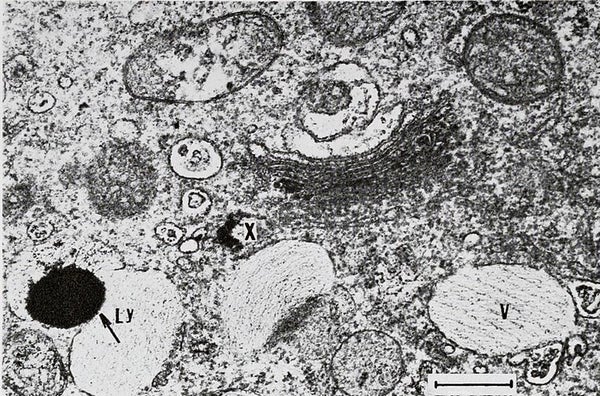
The lysosome was once thought of as the trash can of the cell, a dead-end destination where cellular debris was sent for disposal. But a growing body of research shows that this enzyme-filled vesicle is more active than it originally appeared to be—with some scientists now calling it a control center for cellular metabolism, the set of chemical reactions within a cell that keep it alive and well. Discoveries over the past decade “have elevated the lysosome to a decision-making center involved in the control of cellular growth and survival,” according to Roberto Zoncu, a cell biologist at the University of California, Berkeley. His review of the organelle's changing reputation was published in September's Journal of Cell Biology.
As most high schoolers learn, the lysosome carries out waste disposal and recycling. In a process known as autophagy (meaning “self-eating”), it takes in old cellular components and unneeded large molecules, such as proteins, nucleic acids and sugars, and digests them with the help of enzymes and acids. The cell can then use these broken-down pieces as fuel or as building blocks for new molecules. Understanding this process is so important that Yoshinori Ohsumi won the Nobel Prize in Physiology or Medicine in October for his autophagy work in the 1990s. Yet that's not all the organelle can do, it seems.
For instance, one developing line of research indicates that the lysosome can sense how well nourished a cell (and thus an organism) is. When an organism is fasting or starving, the organelle prompts the cell to create more lysosomes containing enzymes that can digest fat reserves—a source of energy. Conversely, when the organism is well fed, lysosomes send out a message to the cell that resources are available to spend on growth or reproduction. Essentially the lysosome acts as a master switch in the cell to toggle between breaking things down or building them up, says Andrea Ballabio, a geneticist at the Telethon Institute of Genetics and Medicine in Italy who studies the lysosome's role in health. Because of the organelle's ability to control fat metabolism, University of Virginia biologist Eyleen O'Rourke predicts that lysosomes could someday serve as therapeutic targets for metabolic diseases such as obesity.
On supporting science journalism
If you're enjoying this article, consider supporting our award-winning journalism by subscribing. By purchasing a subscription you are helping to ensure the future of impactful stories about the discoveries and ideas shaping our world today.
The reigning image of the lysosome is changing outside of metabolism as well. It also seems to be involved in life span and longevity; studies have shown that when lysosomes do not function properly, an organism does not live as long—perhaps because cellular debris and other waste build up. Some scientists are also starting to think that lysosomes may be culprits in neurodegenerative illnesses, following studies from researchers at New York University who have shown that a defect in a lysosomal gene accelerates Alzheimer's disease. What all this research makes clear is that lysosomes should no longer be considered a dead end. Instead they might just be the way forward for a new generation of lifesaving drugs.