
On supporting science journalism
If you're enjoying this article, consider supporting our award-winning journalism by subscribing. By purchasing a subscription you are helping to ensure the future of impactful stories about the discoveries and ideas shaping our world today.
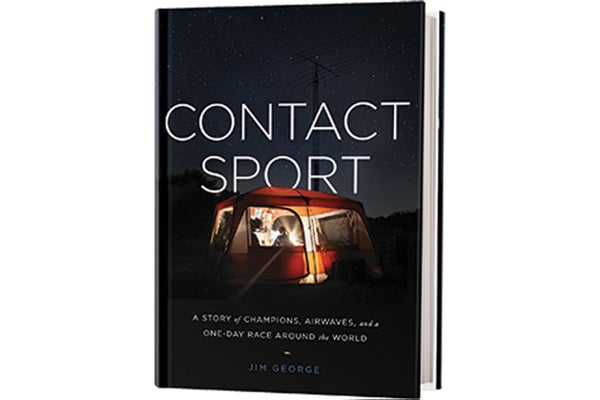
Contact Sport: A Story of Champions, Airwaves, and a One-Day Race around the World
by J. K. George
Greenleaf Book Group Press, 2016 (($22.95))
Huddled in nylon tents crammed with radio equipment, screens and knobs, 59 two-person teams spread across the wilderness of eastern Massachusetts raced to make radio contact with as many people as they could in 24 hours. These were the contenders of the 2014 World Radiosport Team Championship, the pinnacle event of the surprisingly thrilling world of competitive ham radio. Held every four years in various locations around the world, the contest challenges teams to scan the airwaves for other ham operators to connect with, either by voice or by Morse code, awarding points for each contact and extra for those in far-off locales. Writer and radio enthusiast George offers an insider's account of the frantic messages, last-minute antenna malfunctions and aggressive jockeying for coveted wave bands that defined the spirited contest.
