
On supporting science journalism
If you're enjoying this article, consider supporting our award-winning journalism by subscribing. By purchasing a subscription you are helping to ensure the future of impactful stories about the discoveries and ideas shaping our world today.
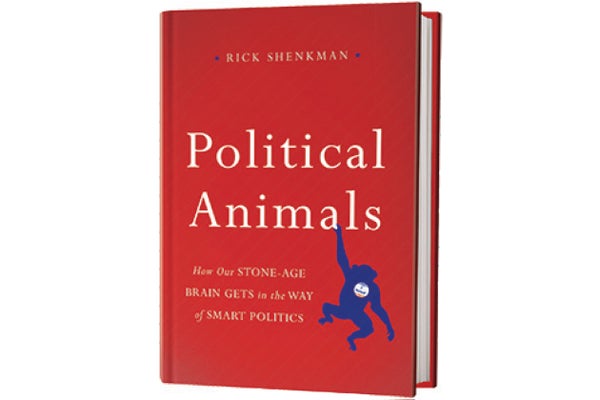
Political Animals: How Our Stone-Age Brain Gets in the Way of Smart Politics
by Rick Shenkman
Basic Books, 2016 (($26.99))
In this presidential election year, historian and journalist Shenkman offers a timely look into psychological patterns that drive political behavior. He describes how irrelevant events such as shark attacks, droughts and sports outcomes can stimulate instincts that change how we vote. Football fans whose teams win, for example, are more likely to support incumbent candidates. Shenkman details, in particular, four ways that people behave irrationally when it comes to politics: we become apathetic about our government, we incorrectly size up our leaders, we punish politicians who tell hard truths and we fail to apply empathy to political decisions. “Though politics is usually framed in terms of the résumés, ideology, and personality of the candidates, it's not really about them,” he writes. “It's about us and what's going on in our brain.”