
On supporting science journalism
If you're enjoying this article, consider supporting our award-winning journalism by subscribing. By purchasing a subscription you are helping to ensure the future of impactful stories about the discoveries and ideas shaping our world today.
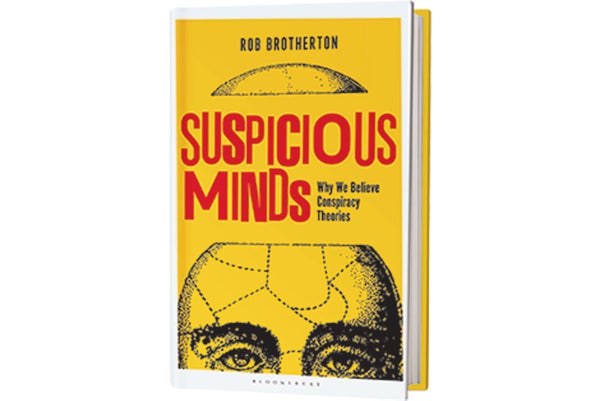
Suspicious Minds: Why We Believe Conspiracy Theories
by Rob Brotherton
Bloomsbury Sigma, 2015 (($19.99))
In this investigation of the psychology behind conspiracy theories, psychologist Brotherton explores how different people can reach wildly divergent conclusions about reality. He casts doubt on the assumption that far-fetched beliefs are reserved for the simple-minded or the exceedingly paranoid. “We are all natural-born conspiracy theorists,” Brotherton writes. He delves into the nature of belief to illustrate the ways that our susceptibility to tall tales is related to other natural tendencies, such as our inclination to arrange random data points into a seemingly meaningful pattern and our propensity to ascribe intentions behind sometimes random events. Although we like to think our judgments are based on evidence, Brotherton reveals that a host of psychological factors come into play whenever we choose what to believe.