Nonfiction
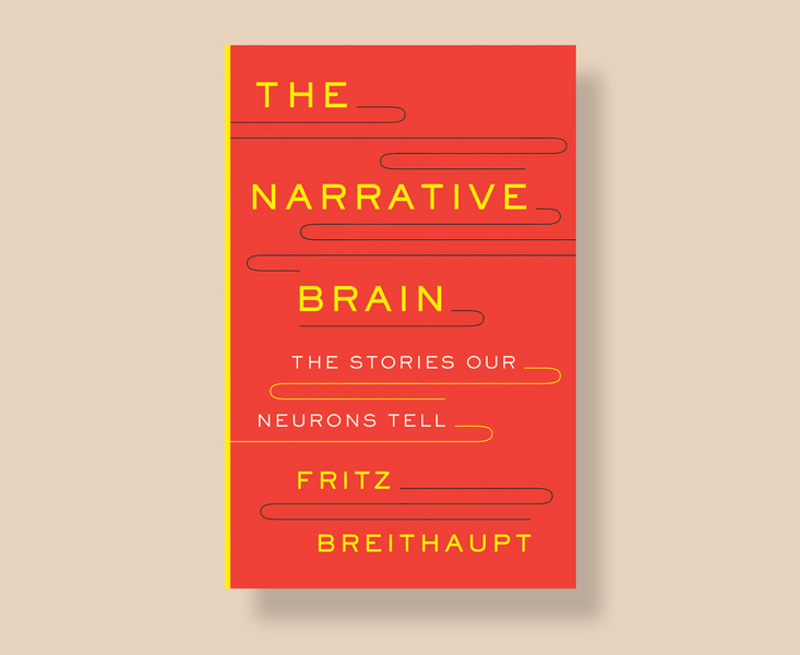
The Narrative Brain: The Stories Our Neurons Tell
by Fritz Breithaupt.
Yale University Press, 2025 ($35)
Humans are storytelling animals. We narrate our lives as soon as we can speak and populate those tales with classic characters: heroes, mentors, villains. In The Narrative Brain, cognitive scientist Fritz Breithaupt explores why we render the world in stories—and how the rewards of narrative thinking keep us spinning out yarns.
On supporting science journalism
If you're enjoying this article, consider supporting our award-winning journalism by subscribing. By purchasing a subscription you are helping to ensure the future of impactful stories about the discoveries and ideas shaping our world today.
Despite its title, very little of The Narrative Brain is about biological wetware, the neurons and synapses that make storytelling possible. Breithaupt is less interested in brain-scan findings than in how stories evolve as they move between tellers and what that evolution reveals about the purpose stories serve.
Breithaupt’s inquiry draws on “telephone game” studies that ask each participant to tell a story in their own words, then pass it to someone else who does the same. These ongoing exchanges, he argues, help to illustrate what narratives do for us. Disjointed tales grow more coherent and logical as they move down the line, showing how storytelling brings sense and order to a complex, chaotic world. Stories’ emotional thrust, however, stays much the same in repeated tellings, suggesting that the feelings they evoke (say, joy when a thwarted romance works out) are core to their appeal. We narrate our lives, and inhale stories about other lives, for much the same reason we frequent bars and poker rooms: the frisson of anticipated reward.
Echoing Jonathan Gottschall, author of The Story Paradox (Basic Books, 2021), Breithaupt warns that our addiction to narrative—however fulfilling—can close off possibilities outside the borders of our pet stories. Casting ourselves as victims tempts us to stay in that role, and when we want to believe epic-style justice will triumph, we may not accept realities that veer in a different direction.
Even so, Breithaupt remains a narrative optimist. Our storytelling knack, he contends, primes us to master what he calls “playability”: rendering endless possible futures in story form, which helps us anticipate and plan for the best of these futures. “Narratives can be the medium of our unhappiness,” he writes, “but they are also the means of escaping it.” He includes few details about how to achieve this escape; unlike the classic stories that inspired it, The Narrative Brain does not build to a clear resolution. Yet its very open-endedness—its invitation to reimagine ill-fitting stories—makes it a timely corrective to our fierce zest for certainty.