
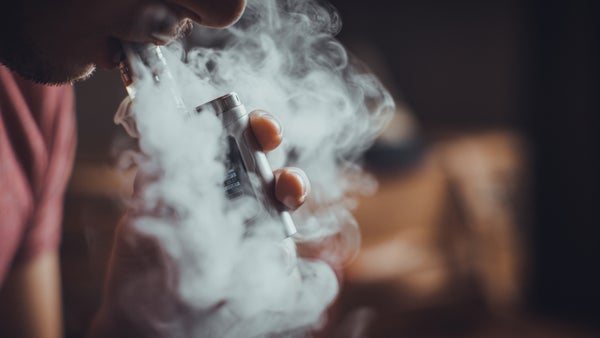
The number of cases of vaping-related illnesses spiked sharply again this week as pressure mounts to uncover the cause of the mysterious symptoms.
There have been 805 confirmed and probable cases of lung injury linked with e-cigarette use across 46 states and the U.S. Virgin Islands, the Centers for Disease Control and Prevention said on Thursday. The case count marks a surge from the 530 cases reported last week, and the 380 cases reported the week prior. The agency also reported 12 deaths linked to the illnesses.
Many of the patients said they had vaped THC, but many also vaped both THC and nicotine. Some patients have said they only used e-cigarettes for nicotine products, but health officials have noted that some patients are hesitant to disclose THC use. Health officials still have not identified a culprit or culprits behind the recent spate of illnesses.
On supporting science journalism
If you're enjoying this article, consider supporting our award-winning journalism by subscribing. By purchasing a subscription you are helping to ensure the future of impactful stories about the discoveries and ideas shaping our world today.
“This is a complex investigation and I don’t think that we should expect definitive answers imminently. This may take some time,” the CDC’s principal deputy director, Anne Schuchat, told reporters last week.
At a congressional hearing Wednesday, Schuchat said she is “extremely frustrated with the pace of the investigation,” which has been complicated by the vast market of vaping products. She also noted that the data collection needed for the investigation is reliant on “antiquated systems,” which has slowed the process down.
The illnesses have escalated an ongoing conversation about the potential health risks related to e-cigarette use. They have also sparked legislative action to rein in vaping, particularly among young people. On Tuesday, Massachusetts Gov. Charlie Baker issued a four-month ban on the sale of all vaping products in the state. And on Wednesday, Rhode Island Gov. Gina Raimondo issued a temporary ban on flavored vaping products.
Republished with permission from STAT. This article originally appeared on September 26, 2019