
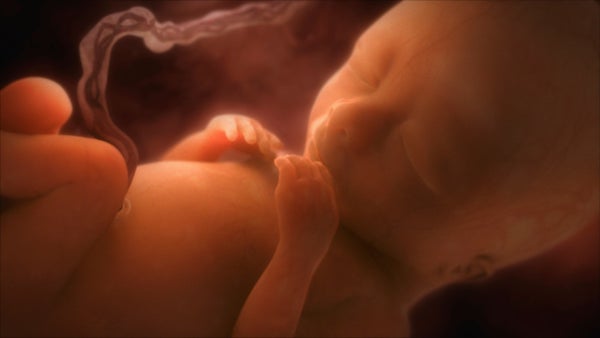

Ectogenesis, that is the gestation outside of a biological womb, sounds like science fiction. But one of the top stories of 2017 was the success of one group in making artificial wombs a reality—at least for lamb fetuses in later stages of their gestation.
The science is in large part motivated by the high, and steadily rising, number of babies born preterm or before 37 weeks of gestation. According to the Centers for Disease Control and Prevention, one in ten babies are born prematurely in the United States. According to the World Health Organization, that same statistic is true globally, and the United States is one of the ten countries with the highest number of preterm births (although not the highest rate). Premature births can be caused by infection, placenta problems, or genetic problems, but often the cause is not known.
On supporting science journalism
If you're enjoying this article, consider supporting our award-winning journalism by subscribing. By purchasing a subscription you are helping to ensure the future of impactful stories about the discoveries and ideas shaping our world today.
Critically or extremely preterm babies, those born before 28 weeks of gestation, have survival rates that are highly dependent on income levels. In the United States, preterm births have been linked to 17% of infant deaths in recent years, while those babies that do survive have a high likelihood of major complications like cerebral palsy, breathing problems, vision problems, and developmental delays.
But what if babies born prematurely, instead of having to fight for life before they are fully equipped to do so, could be put into an artificial womb-like environment to complete their gestation?
»Continue reading “Could Artificial Wombs Be a Reality?” on QuickAndDirtyTips.com