
Molecules that protect the body from infection may be needed for mice to socialize with their peers, according to a study published today in Nature. This double duty could help safeguard the health of animals that live in close quarters.
The findings bolster an emerging link between the immune system and conditions such as autism, says lead researcher Jonathan Kipnis, professor of neuroscience at the University of Virginia in Charlottesville. “Whether we like it or not, there is a piling up of evidence that the immune system has a major impact on brain function: The brain is not isolated from the rest of the body,” he says.
The study pinpoints an immune molecule called interferon gamma as the key to this link. This molecule primes cells to attack intruders, and is ramped up during infections.
On supporting science journalism
If you're enjoying this article, consider supporting our award-winning journalism by subscribing. By purchasing a subscription you are helping to ensure the future of impactful stories about the discoveries and ideas shaping our world today.
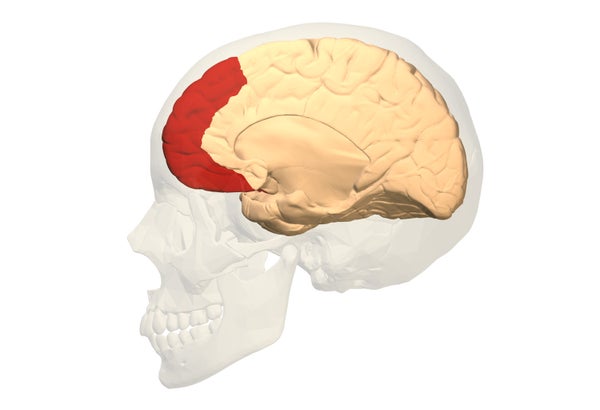
The researchers found that without interferon gamma, signals in a brain region called the prefrontal cortex run rampant, and mice tend to be asocial. The prefrontal cortex is involved in social behavior, and is thought to be overactive in some people with autism. “We show that an immune molecule directly controls brain circuits through neurons,” Kipnis says.
The researchers presented preliminary results last year at the Society for Neuroscience annual meeting in Chicago.
“[The results] suggest that the immune system and the central nervous system are extremely intertwined, and the function of both systems is critical for neuronal brain function,” says Carlos Pardo-Villamizar, associate professor of neurology and pathology at Johns Hopkins University in Baltimore, Maryland. Pardo-Villamizar was not involved in the study.
Vulnerable mice
Kipnis and his team first suspected a link between the immune system and social behavior when they found that mice lacking T cells, key components of the immune system, show little interest in their peers.
T cells release interferon gamma in response to infection. And the researchers found that mice lacking interferon gamma also tend to ignore other mice. The mice also have overactive neurons in the prefrontal cortex. Deleting the receptor for interferon gamma from neurons in the mouse cortex produces the same features.
This suggests that interferon gamma normally dampens brain signals in this region — and that it affects social behavior.
Replenishing the spinal fluid of the mice with interferon gamma is enough to restore social behavior in the mice. Diazepam, a sedative that boosts the activity of inhibitory neurons, has the same effect.
The findings show that interferon gamma controls brain activity through inhibitory neurons, says Emanuel DiCicco-Bloom, professor of neuroscience at Rutgers University, in Piscataway, New Jersey, who was not involved with the work.
Still, it’s possible that interferon gamma plays a secondary role in the brain that is independent of its immune function, DiCicco-Bloom says. “The organism is conservative; it uses the same signaling systems in multiple organs.”
Social interest
The researchers hypothesize that, in fact, the immune system and social behavior are closely linked. This makes sense because infections spread rapidly when animals are in close contact, they say. They tested this theory in mice, rats, flies and fish using publicly available gene-expression data.
Rodents housed together show an increase in the same genes that interferon gamma turns on, and rodents that are socially isolated show a decrease in those same genes. They saw a similar pattern in zebrafish and flies.
“Our hypothesis is that interferon gamma might have evolved as an efficient way to control the anti-pathogen response when organisms are social,” says Tony Filiano, a postdoctoral associate in Kipnis’ lab.
If the immune system evolved alongside social behavior, this might explain the results of other autism studies. A study published earlier this year, for example, suggests that some pregnant women who go on to have children with autism and intellectual disability have elevated blood levels of interferon gamma.
This result may seem at odds with the finding that interferon gamma is needed for social behavior, but too much of the molecule might shut off its activity.
The role of immune molecules in the brain is likely to be a delicate balance, with specific levels needed at specific times, says Pardo-Villamizar. “The immune system during brain development works like an orchestra,” he says.
The findings may explain the observation that some children with autism seem to become more sociable when they have a fever, Kipnis says. Elevated levels of molecules such as interferon gamma accompany fevers.
Kipnis says understanding the immune link to social behavior might help scientists find drugs that treat autism. Clinicians might be able to administer the treatment in the cerebrospinal fluid, he says, rather than via the brain.
This article is reproduced with permission from spectrumnews.org. The article was first published on July 13, 2016.

_-_medial_view.png)