
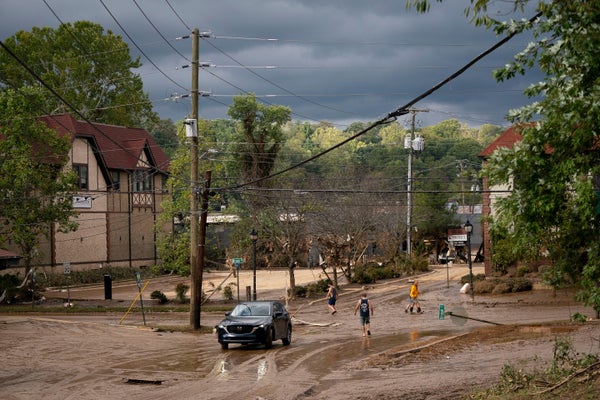
CLIMATEWIRE | Floods could be deadlier than previously thought — and from more than just drowning.
A study published Tuesday in Nature found that the number of U.S. deaths in flooded areas continued to rise for up to three months after the disaster, resulting in a 25 percent higher death rate from things like infections, injuries and heart disease, compared with periods of no flooding.
The researchers from Columbia University used a statistical model to analyze national death data from 2001 to 2018 and calculate how death rates changed in the three months following floods versus normal conditions.
On supporting science journalism
If you're enjoying this article, consider supporting our award-winning journalism by subscribing. By purchasing a subscription you are helping to ensure the future of impactful stories about the discoveries and ideas shaping our world today.
They found that the residents of 2,711 counties experienced floods during that time frame, with heavy rain and snowmelt being the top causes of flooding.
“Our results show that floods were associated with higher death rates for most major causes of death, even for rain- and snow-related floods that are less likely to generate rapid emergency responses” than hurricanes, said author Victoria Lynch, a postdoctoral research fellow at the Columbia Mailman School of Public Health.
In particular, the researchers found that rain-related flooding was associated with increased deaths from infectious diseases, while flooding from melting snow was associated with higher death rates from respiratory and cardiovascular diseases.
“There is a hidden burden of exposure to floods that people may not be thinking about having an effect over time,” said author Robbie Parks, assistant professor of environmental health sciences at Columbia. “There is a big infection issue, but even the indirect effects of flooding adding stress can have an impact on cardiovascular health.”
Reprinted from E&E News with permission from POLITICO, LLC. Copyright 2025. E&E News provides essential news for energy and environment professionals.