
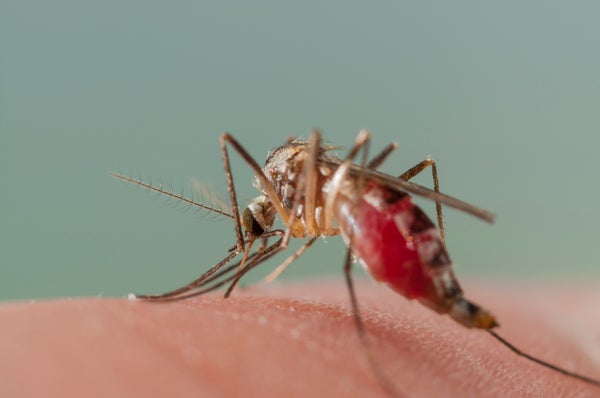
A proposal to release genetically altered mosquitoes into the United States for the first time hit a possible stumbling block on Tuesday, with voters in the Florida Keys expressing ambivalence about a field trial there.
Residents split on the possibility of a trial, with one ballot initiative open only to residents of Key Haven, where the trial would take place, failing, and another initiative open to all residents of surrounding Monroe County being approved.
The results could make it more difficult to move ahead with the release of the mosquitoes in Key Haven.
On supporting science journalism
If you're enjoying this article, consider supporting our award-winning journalism by subscribing. By purchasing a subscription you are helping to ensure the future of impactful stories about the discoveries and ideas shaping our world today.
The mosquitoes would have their DNA edited in a way designed to stave off diseases like Zika and dengue, but opponents of the field trial have raised concerns about the impact on the environment and public health.
The results of the referendums were nonbinding. The decision now falls to the five board members of the Florida Keys Mosquito Control District, who have the final say on the trial. Most have said they will follow the public vote, so it’s not clear how they will respond to the split.
In the Key Haven referendum, almost two-thirds of voters opposed the trial. In the countywide referendum, about 58 percent of voters backed it.
The trial, if approved, would authorize the release of Aedes aegypti mosquitoes genetically altered by the British biotech company Oxitec. The genetic modification is aimed to ensure that any offspring produced by the Oxitec mosquitoes and the wild mosquitoes will die before they can mature and breed, cutting the population overall.
In field trials in Brazil, Panama, and elsewhere, mosquito populations declined by up to 90 percent following the introduction of the Oxitec mosquitoes. The mosquitoes also helped cut dengue virus transmission in trials, the company says.
In Florida, opponents of a trial have argued that they don’t want the area to be used as the site of an experiment and have said they do not believe studies that show the modified mosquitoes are safe for the environment.
This summer, however, the Food and Drug Administration gave its nod of approval to the trial, finding that it would be safe for both people and the environment.
If the trial proceeds, the mosquitoes would be released in Key Haven in an experimental zone separated from a control zone by a buffer area. (The mosquitoes only fly a few hundred yards in their lives.) Experts would then compare the mosquito populations in the experimental and control zones to see if the trial did in fact reduce the insects’ numbers.
Aedes aegypti mosquitoes have spread dengue in the Florida Keys in the past, and are responsible for the ongoing Zika outbreak in Miami-Dade County. They also transmit chikungunya and yellow fever.
Republished with permission from STAT. This article originally appeared on November 8, 2016