New Issue: Orbital Catastrophe Ahead? Read Now

Getting a COVID Vaccine while Pregnant Slashes Risk of Premature Birth, Major New Study Finds

Pregnant people who receive a COVID vaccine are 60 percent less likely to experience severe disease and around 30 percent less likely to give birth prematurely, according to new research

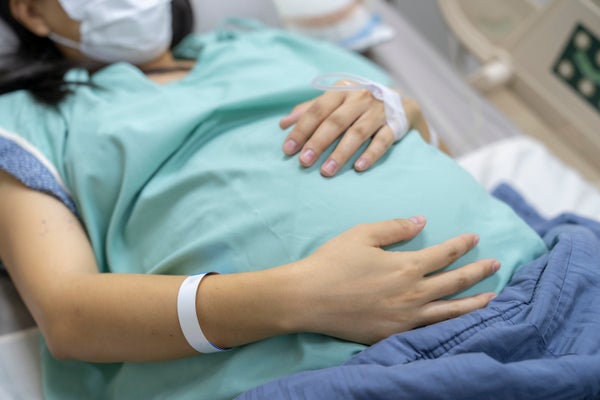
Woman is waiting to give birth at hospital

Virojt Changyencham/Getty Images

Join Our Community of Science Lovers!

Pregnant people who get a COVID vaccine are dramatically less likely to experience severe symptoms of the disease or to give birth prematurely, according to a comprehensive new study published today in the Journal of the American Medical Association.

Those who got the shot during pregnancy, rather than before they were pregnant, showed even lower odds of health complications. The findings add to a growing body of evidence that COVID vaccines are safe and beneficial across different populations. Despite that evidence, the Trump administration’s Centers for Disease Control and Prevention has removed the recommendation for pregnant people to get vaccinated against COVID, which Secretary of Health and Human Services Robert F. Kennedy, Jr., has said he “couldn’t be more pleased” about.

Catching COVID while pregnant is especially risky, dramatically increasing the odds of serious disease and even death. Unvaccinated people are at greatest risk of grave outcomes.


On supporting science journalism

If you're enjoying this article, consider supporting our award-winning journalism by subscribing. By purchasing a subscription you are helping to ensure the future of impactful stories about the discoveries and ideas shaping our world today.


The new study, conducted in nearly 20,000 pregnant people in Canada, shows vaccinated pregnant people are about 60 percent less likely to be hospitalized and 90 percent less likely to require intensive care than unvaccinated people. In the Delta and Omicron waves, getting the shot was also respectively linked to a fifth and a third lower risk of having a preterm birth, which carries numerous health risks to the baby.

“Our findings provide clear, population-level evidence that COVID-19 vaccination protects pregnant people and their babies from serious complications,” said Deborah Money, a professor of obstetrics and gynecology at UBC and senior author of the study, in a recent statement.

Subscribe to Support Independent Journalism

Great science journalism requires human expertise, time, effort and creativity. And it costs money. That’s why I and the journalists here at Scientific American hope you’ll join our community.

When you subscribe, you are supporting staff and freelance journalists who are passionate about telling science stories that are true, important and compelling. Our editors and reporters are often experts in their fields, which means they understand the nuances of big discoveries and can untangle the breakthroughs from the hype. With a subscription, you are also supporting rigorous fact-checking to ensure the words we publish are precise and accurate. And you’re supporting original illustrations, graphics and photos that bring you closer to an advanced laboratory, an ice sheet in Antarctica or a space mission in orbit. You’re helping us craft other types of high-quality journalism as well: Our newsletters are carefully written, edited and curated by staffers you have or will come to know and love. Our Science Quickly podcast is based on original reporting, collaboration with editors and scientists and exacting production.

Subscriptions keep this engine running so we can continue to deliver thoughtful, rigorous and independent science journalism to you. In an era of viral misinformation, this work is crucial. If you value what we do, I hope you’ll consider joining us as a subscriber

Thank you,

Jeanna Bryner, Editor in Chief, Scientific American

Subscribe