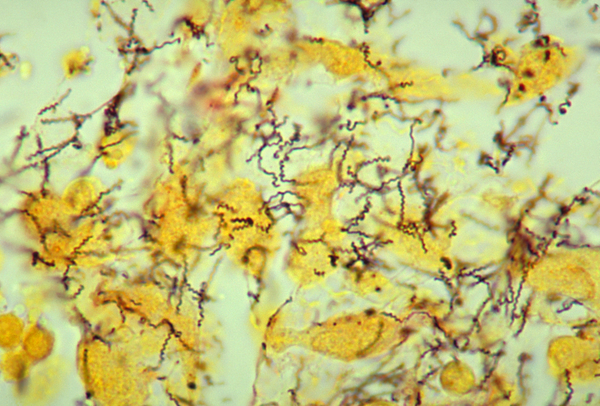
Reported cases of sexually transmitted diseases hit an all-time high in 2015, according to a new report from the U.S. Centers for Disease Control and Prevention, which tracks the three most common STDs: chlamydia, gonorrhea and syphilis. The CDC attributes the upswing to an erosion of public prevention resources and treatment services, as well as increased screening. An increase in online dating may also contribute, especially for young men who have sex with men, says Eric Schrimshaw, a professor at the Columbia University Mailman School of Public Health. Schrimshaw thinks more extensive and comprehensive sex education, along with better community services, could most effectively overturn the trend. At their worst, STDs can cause infertility, cancer and death—and their spread can lead to antibiotic resistance.
By the Numbers
110 million
On supporting science journalism
If you're enjoying this article, consider supporting our award-winning journalism by subscribing. By purchasing a subscription you are helping to ensure the future of impactful stories about the discoveries and ideas shaping our world today.
Estimated total number of STD infections in the U.S.
478.8
Chlamydia cases per 100,000 people
5.9%
Increase in chlamydia cases from 2014 to 2015—an all-time high
12.8%
Rate increase in gonorrhea
19%
Rate increase in syphilis
$16 billion
Annual cost of treating STDs
Source: Sexually Transmitted Disease Surveillance 2015. U.S. Centers For Disease Control And Prevention, October 2016
Subscribe to Support Independent Journalism
Great science journalism requires human expertise, time, effort and creativity. And it costs money. That’s why I and the journalists here at Scientific American hope you’ll join our community.
When you subscribe, you are supporting staff and freelance journalists who are passionate about telling science stories that are true, important and compelling. Our editors and reporters are often experts in their fields, which means they understand the nuances of big discoveries and can untangle the breakthroughs from the hype. With a subscription, you are also supporting rigorous fact-checking to ensure the words we publish are precise and accurate. And you’re supporting original illustrations, graphics and photos that bring you closer to an advanced laboratory, an ice sheet in Antarctica or a space mission in orbit. You’re helping us craft other types of high-quality journalism as well: Our newsletters are carefully written, edited and curated by staffers you have or will come to know and love. Our Science Quickly podcast is based on original reporting, collaboration with editors and scientists and exacting production.
Subscriptions keep this engine running so we can continue to deliver thoughtful, rigorous and independent science journalism to you. In an era of viral misinformation, this work is crucial. If you value what we do, I hope you’ll consider joining us as a subscriber