
I recently saw a cartoon that depicted a young child looking up and asking about the scar on her mother’s arm. The mother points out that the scar is from the smallpox vaccine, and the young girl asks why she doesn’t have one. The mother’s answer, quick and simple: “Because it worked.”
The smallpox vaccine is one of the earliest successful vaccines. It was so successful that the last known smallpox outbreak in the U.S. was in 1949. And in 1980 the World Health Assembly officially declared smallpox eradicated.
Many of us have memories of getting shots before beginning a new school year or taking a child to their first immunizations at the pediatrician or going to our local pharmacist for the flu shot. In fact, the Centers for Disease Control and Prevention points out that there are 14 diseases you almost forgot about because they are preventable, thanks to the development of vaccines. We no longer have to fear diseases such as polio, tetanus, measles, mumps and rubella if we are vaccinated against them.
On supporting science journalism
If you're enjoying this article, consider supporting our award-winning journalism by subscribing. By purchasing a subscription you are helping to ensure the future of impactful stories about the discoveries and ideas shaping our world today.
Despite the historical success of vaccines and the stringent review process that vaccines, including the COVID-19 ones, must go through, Arkansas continues to see slow acceptance. In fact, while the full vaccination rate among adults in the U.S. is more than 60 percent, only about 45 percent of adult Arkansans are fully vaccinated.
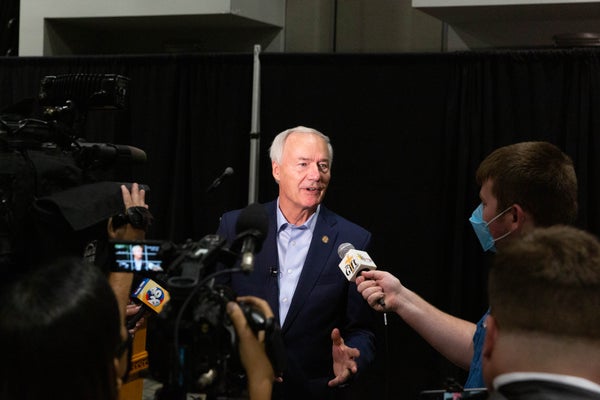
To increase vaccine acceptance, I recently began a series of “COVID Community Conversations.” I am traveling the state of Arkansas with public health officials to listen to and try to address concerns about the COVID-19 vaccines. During these conversations, I have heard Arkansans express worries about the speed at which the vaccines were developed, anxieties about the potential for unknown side effects (particularly infertility), the desire to maintain individual choice and many other concerns.
Some of the most valuable responses to these comments often come from local physicians, pharmacists, nurses and neighbors. Local health care professionals explain the benefits and success of the COVID-19 vaccines. They explain the Food and Drug Administration approval process, the trials that have been conducted and the data that have been analyzed to ensure the safety and efficacy of these vaccines. Often equally impactful are the personal stories that community members share with their fellow Arkansans. Stories about wanting to be able to hug their loved ones in nursing homes and stories about loved ones who have been lost because they did not get vaccinated.
As a result of these get-togethers, community leaders sharing their professional and personal reasons for supporting the vaccines, we’ve seen a significant number of individuals decide to get vaccinated after these events. What this increase tells me is that people listen to the people they trust. Watching these interactions also demonstrates the personal nature of the decision to be vaccinated. For those still skeptical of the COVID-19 vaccines, I encourage them to reach out to trusted health care representatives, community leaders and friends to understand more about why the vaccines are beneficial.
I made the decision to get vaccinated as soon as I was eligible. It was important for me to be able to visit my family, interact with Arkansans and continue the great strides Arkansas is making. I’m confident we’ll continue to see others step up to protect themselves and their neighbors. Together we can keep each other safe. Together we can keep America strong and free.
This is an opinion and analysis article, and the views expressed by the author or authors are not necessarily those of Scientific American.