
When hydrogen burns, the only by-product is water—which is why hydrogen has been an alluring zero-carbon energy source for decades. Yet the traditional process for producing hydrogen, in which fossil fuels are exposed to steam, is not even remotely zero-carbon. Hydrogen produced this way is called gray hydrogen; if the CO2 is captured and sequestered, it is called blue hydrogen.
Green hydrogen is different. It is produced through electrolysis, in which machines split water into hydrogen and oxygen, with no other by-products. Historically, electrolysis required so much electricity that it made little sense to produce hydrogen that way. The situation is changing for two reasons. First, significant amounts of excess renewable electricity have become available at grid scale; rather than storing excess electricity in arrays of batteries, the extra electricity can be used to drive the electrolysis of water, “storing” the electricity in the form of hydrogen. Second, electrolyzers are getting more efficient.
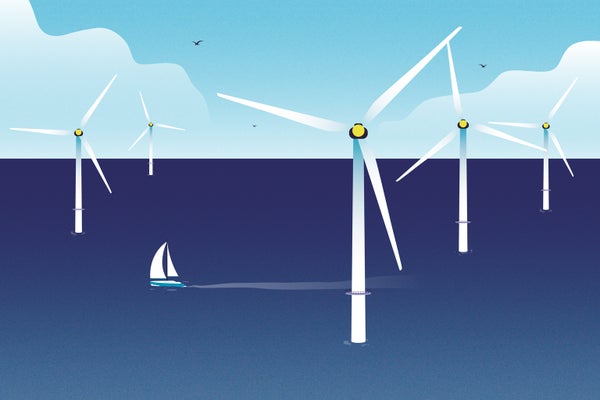
Companies are working to develop electrolyzers that can produce green hydrogen as cheaply as gray or blue hydrogen, and analysts expect them to reach that goal in the next decade. Meanwhile energy companies are starting to integrate electrolyzers directly into renewable power projects. For example, a consortium of companies behind a project called Gigastack plan to equip Ørsted's Hornsea Two offshore wind farm with 100 megawatts of electrolyzers to generate green hydrogen at an industrial scale.
On supporting science journalism
If you're enjoying this article, consider supporting our award-winning journalism by subscribing. By purchasing a subscription you are helping to ensure the future of impactful stories about the discoveries and ideas shaping our world today.
Current renewable technologies such as solar and wind can decarbonize the energy sector by as much as 85 percent by replacing gas and coal with clean electricity. Other parts of the economy, such as shipping and manufacturing, are harder to electrify because they often require fuel that is high in energy density or heat at high temperatures. Green hydrogen has potential in these sectors. The Energy Transitions Commission, an industry group, says green hydrogen is one of four technologies necessary for meeting the Paris Agreement goal of abating more than 10 gigatons of carbon dioxide a year from the most challenging industrial sectors, among them mining, construction and chemicals.
Although green hydrogen is still in its infancy, countries—especially those with cheap renewable energy—are investing in the technology. Australia wants to export hydrogen that it would produce using its plentiful solar and wind power. Chile has plans for hydrogen in the country's arid north, where solar electricity is abundant. China aims to put one million hydrogen fuel–cell vehicles on the road by 2030.
Similar projects are underway in South Korea, Malaysia, Norway and the U.S., where the state of California is working to phase out fossil-fuel buses by 2040. And the European Commission's recently published 2030 hydrogen strategy calls for increasing hydrogen capacity from 0.1 gigawatt today to 500 gigawatts by 2050. All of which is why, earlier this year, Goldman Sachs predicted that green hydrogen will become a $12-trillion market by 2050.