
By Michael Hogan
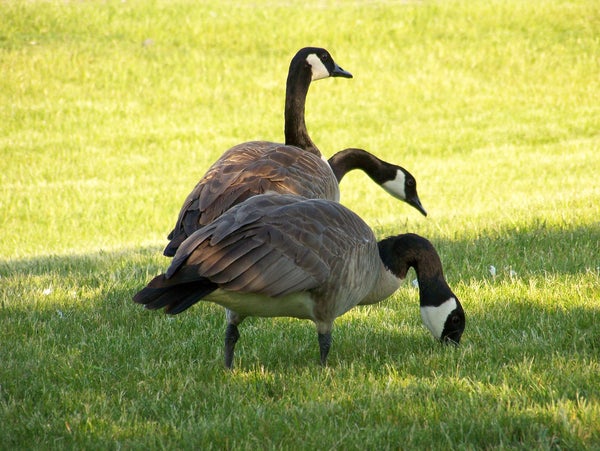
HAMBURG, Nov 21 (Reuters) - German authorities are preparing to cull 8,800 geese on a farm in the north of the country where a low risk strain of bird flu has been found, authorities said on Monday.
Some 1,800 geese on a farm in Dithmarschen have a low risk H5 bird flu, said the environment ministry in the state of Schleswig-Holstein. Another 7,000 geese at a different location owned by the same farm are also suspected to have bird flu but it is not known whether this is the low risk type or the highly contagious H5N8 strain, the state ministry said.
On supporting science journalism
If you're enjoying this article, consider supporting our award-winning journalism by subscribing. By purchasing a subscription you are helping to ensure the future of impactful stories about the discoveries and ideas shaping our world today.
A series of European countries and Israel have found cases of H5N8 bird flu in the past few weeks and some have ordered that poultry flocks be kept indoors to avoid the disease spreading.
Most outbreaks involve wild birds but Germany, Hungary and Austria have also reported cases in domestic duck and turkey farms where all poultry have had to be culled. A case was also reported on a farm in Denmark on Monday.
The contagious H5N8 strain has been found in wild birds in much of Germany over past days and the country's government has tightened sanitary rules for farms and warned it may order poultry to be kept inside.
More outbreaks of a severe strain of bird flu in Europe are likely to occur in the next few weeks as wild birds believed to transmit the virus migrate southward, the deputy head of the world animal health body said.