
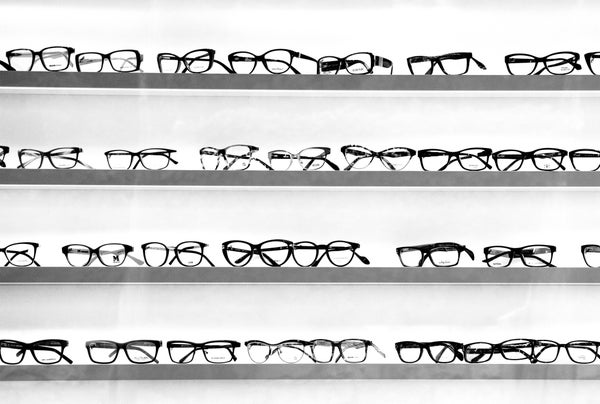
The childhood insult “Four eyes!” may one day apply to most of us. By 2050, according to a new report from the Brien Holden Vision Institute in Australia, almost half the world will be nearsighted and require some form of corrective lens, up from a quarter of the global population in 2000. Conventional wisdom puts the blame for the rise in myopia on reading and staring at computer screens, but little evidence supports that hypothesis. Current thinking holds that people, especially children, spend too little time outside—a handful of studies show that lack of sunlight exposure from long periods indoors correlates with myopia.
Either way, heredity clearly plays a smaller role than previously thought. “Myopia, once believed to be almost totally genetic, is in fact a socially determined disease,” says Ian Morgan, an ophthalmology researcher at the Australian National University. The finding suggests an intervention: a recent trial revealed that children who spent an extra 40 minutes outside each day for three years were less likely to become myopic than those who did not.

Tiffany Farrant-Gonzalez; Sources: “Global Prevalence of Myopia and High Myopia and Temporal Trends from 2000 through 2050,” By Brien A. Holden et al., in Ophthamology (in press) (myopia prevalence data); Global Burden of Diseases, Injuries, and Risk Factors Study, Institute for Heath Metrics and Evaluation (classifications by high-income region)
On supporting science journalism
If you're enjoying this article, consider supporting our award-winning journalism by subscribing. By purchasing a subscription you are helping to ensure the future of impactful stories about the discoveries and ideas shaping our world today.