
Sixty-six million years ago an asteroid struck Earth and wiped out an estimated 75 percent of life. It is an event that infamously caused the extinction of the dinosaurs, which leads one to wonder: How did the ancestors of modern-day birds survive when all their relatives perished? A new study published in Current Biology hypothesizes that some birdlike dinosaurs lived because they had toothless beaks and could subsist off fire-resistant seeds when the food sources of most other species disappeared.
Derek Larson, assistant curator at the Philip J. Currie Dinosaur Museum in Alberta, and his colleagues first analyzed more than 3,000 fossilized teeth from birdlike dinosaurs that lived in western North America during the Cretaceous period. Based on size and shape, the researchers concluded that these teeth were suited for eating animals, insects and plants and had remained largely unchanged for the 18 million years leading up to the mass extinction.
Because the avian fossil record is incomplete, the team then reconstructed the eating habits of the ancestors of modern birds with the help of a statistical model of evolution. It indicated their toothless ancestors probably lived off seeds. Together these analyses suggest that the difference between life and death for various birdlike dinosaurs came down to a combination of dentition and diet.
On supporting science journalism
If you're enjoying this article, consider supporting our award-winning journalism by subscribing. By purchasing a subscription you are helping to ensure the future of impactful stories about the discoveries and ideas shaping our world today.
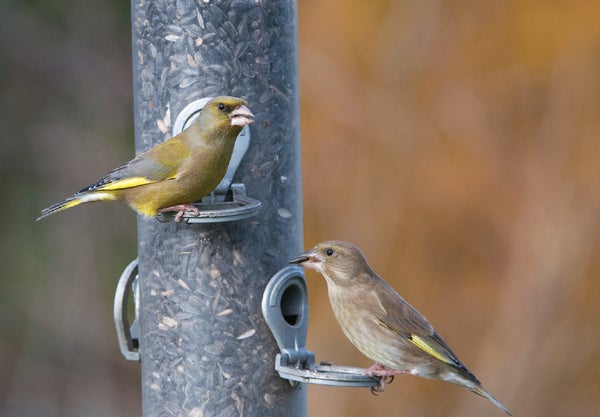
In support of this hypothesis, Larson also cites a body of research on modern wildfires. These studies show that some seeds remain unharmed despite scorching and that seed-eating birds are among the first species to return to a burned forest—analogous to Earth's surface after the Chicxulub impact.
Larson's approach to figuring out how animals survived 66 million years ago is a valuable and creative one, says Julia A. Clarke, a vertebrate paleontologist at the University of Texas at Austin who was not involved in the study. But she notes that extinction dynamics are complex, and evidence from bird fossils in other parts of the world tells a different story. “I just got back from two months in Antarctica working on fossils from the late Cretaceous, and what we see is that the species there were aquatic. Based on our comparison with living birds, they presumably ate algae and fish,” she explains.
In addition, research indicates that early relatives of ostriches, emus and ducks from the late Cretaceous were toothless but likely would have eaten small vertebrates and insects in addition to seeds, Clarke adds. “I would be surprised if seed eating was the only trait linked to survivorship or extinction.