
Psychologist Abraham Maslow's famed “hierarchy of needs” says people seek food, shelter and safety before esteem and self-actualization. So what explains foolish dares and violent sports, in which people risk grave injury to pursue respect? New research suggests the hierarchy may be more fluid than we think—many individuals will undergo disgusting or painful ordeals to save their reputations.
Andy Vonasch, a psychologist at the University of North Carolina at Chapel Hill, and his colleagues conducted an online survey of 111 Americans about the value of reputation. Of the respondents, 40 percent said they would choose a year in jail and a clean reputation over no jail and a criminal reputation. Incarceration is directly harmful, but “reputation is what helps you gain access to all of the things you want in society,” Vonasch says. In similarly sized surveys, 70 percent of respondents told Vonasch's team they would give up their dominant hand to avoid a swastika face tattoo; 53 percent would choose immediate death over a long life as a suspected child molester; and 30 percent would take immediate death over a long and happy life followed by postmortem rumors of child molestation. This study was released online in July by Social Psychological and Personality Science.
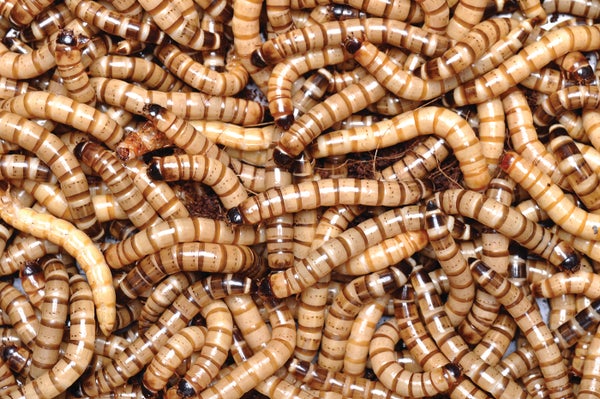
But what about the real world? As part of the new study, white college students took a test of implicit racism. Then they chose between having their scores e-mailed widely and putting one hand in a bowl of “superworms” (photograph). People given (falsely) high scores of implicit racism were more likely to choose the superworms (30 versus 4 percent) and were more likely to hold their hands in near-freezing water (63 versus 9 percent)—even though many said they doubted the e-mail threat.
On supporting science journalism
If you're enjoying this article, consider supporting our award-winning journalism by subscribing. By purchasing a subscription you are helping to ensure the future of impactful stories about the discoveries and ideas shaping our world today.
People make all kinds of sacrifices to preserve their honor, from ritual suicide to settling out of court to ceding subway seats. In an age of social media public shaming, this paper helps explain why sticks and stones may break your bones, but tweets can hurt much worse.