
Climate change and habitat loss are two huge threats to animal and plant survival, but a new study shows how managing both factors could help prevent extinctions. Cutting greenhouse gas emissions and protecting more tropical land could reduce the probability of species blinking out, called extinction risk, by more than half, the research found.
Scientists had not previously calculated the combined benefits that limiting climate change and saving swaths of land could have for so many species, says co-author Patrick Roehrdanz, a researcher with the nonprofit organization Conservation International.
Climate change is expected to continue altering existing habitats, forcing more organisms to relocate or adapt. For this study, published in February in Ecography, the researchers looked at existing and future habitat ranges for 104,059 plants and animals in South America, Africa and Asia and existing ranges for 185,160 more—the largest-ever compilation of such data. They then modeled future extinction risk for those species if certain percentages of the planet's tropical land were placed under protection (around 17 percent is protected now).
On supporting science journalism
If you're enjoying this article, consider supporting our award-winning journalism by subscribing. By purchasing a subscription you are helping to ensure the future of impactful stories about the discoveries and ideas shaping our world today.
The scientists calculated that with 30 percent protected, if greenhouse gases were also curtailed—consistent with the aim of keeping global temperature rise below two degrees Celsius above preindustrial levels—the species' extinction risk could fall by more than 50 percent.
These results could help inform United Nations officials scheduled to meet this year. Focused on conserving the world's flora and fauna, the U.N. Convention on Biological Diversity has proposed conserving 30 percent of Earth's land and oceans by 2030. Formal protection from development could save vulnerable ecosystems and mitigate the effects of climate change.
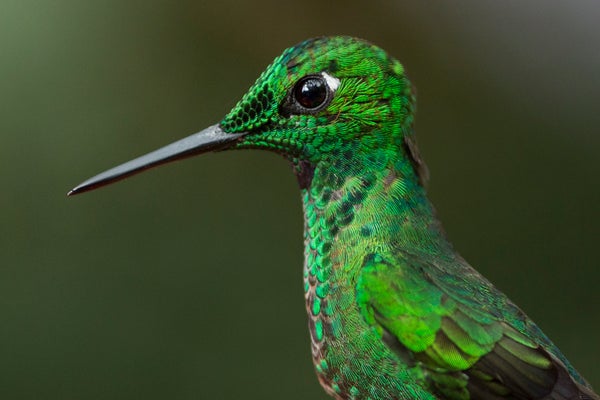
The model does not, however, take into account how different species interact with one another and with the landscape. A hummingbird may move to a new location, but the plants it depends on may not, for example. Still, says Rachael Gallagher, a biologist at Australia's Macquarie University in New South Wales, who was not involved in the study, the paper “provides an evidence base for those advocating to expand the world's protected areas.”