
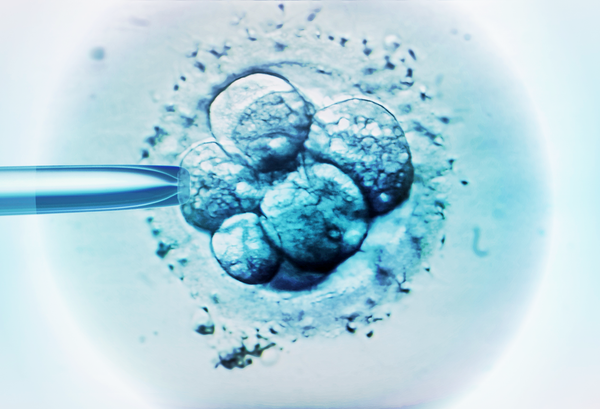
Japan has issued draft guidelines that allow the use of gene-editing tools in human embryos. The proposal was released by an expert panel representing the country’s health and science ministries on 28 September.
Although the country regulates the use of human embryos for research, there have been no specific guidelines on using tools such as CRISPR–Cas9 to make precise modifications in their DNA until now.
Tetsuya Ishii, a bioethicist at Hokkaido University in Sapporo, says that before the draft guidelines were issued, Japan’s position on gene editing in human embryos was neutral. The proposal now encourages this kind of research, he says.
On supporting science journalism
If you're enjoying this article, consider supporting our award-winning journalism by subscribing. By purchasing a subscription you are helping to ensure the future of impactful stories about the discoveries and ideas shaping our world today.
But if adopted, the guidelines would restrict the manipulation of human embryos for reproduction, although this would not be legally binding.
Manipulating DNA in embryos could reveal insights into early human development. Researchers also hope that in the long term, these tools could be used to fix genetic mutations that cause diseases, before they are passed on.
But the editing of genes in human embryos, even for research, has been controversial. Ethicists and many researchers worry that the technique could be used to alter DNA in embryos for non-medical reasons. Many countries ban the practice, allowing gene-editing tools to be used only in non-reproductive adult cells.
Researchers around the world have published at least eight studies on gene editing in human embryos. Some of the work was done in Chinaand the United States, where using the technique does not break any laws if done with private funding; some was done in the United Kingdom, where permission must be granted by a national regulatory body.
Japan’s draft guidelines will be open for public comment from next month and are likely to be implemented in the first half of next year.
This article is reproduced with permission and was first published on October 3, 2018.