
People with physical disabilities are among the most vulnerable to climate change, yet scant attention has been paid to their unique challenges, according to a letter published in the journal Science.
"The international research community has made good progress at including vulnerable groups such as poor communities, women, indigenous people, and youth in recent international conversations about global environmental change, but disabled populations have been mostly absent from the conversation," researchers wrote.
Among other things, disabled people may have "limited access to knowledge, resources and services to effectively respond to environmental change," wrote Aleksandra Kosanic and co-authors.
On supporting science journalism
If you're enjoying this article, consider supporting our award-winning journalism by subscribing. By purchasing a subscription you are helping to ensure the future of impactful stories about the discoveries and ideas shaping our world today.
"Compromised health may make people more vulnerable to extreme climate events, ecosystem services loss, or infectious disease exposure, and those with disabilities are more likely to have difficulties during required evacuations or migrations," the authors state.
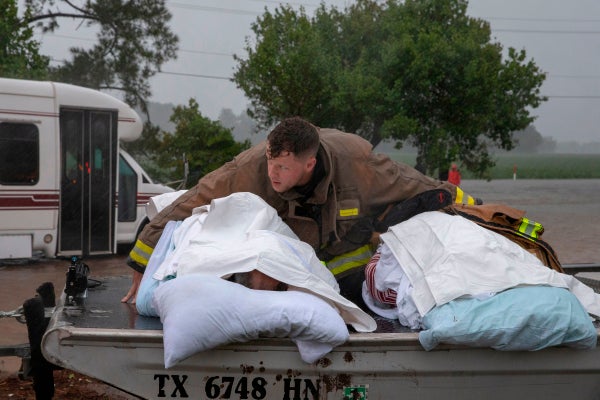
The letter in the Friday edition of Science reflects a growing concern among scholars and climate experts about how elderly and disabled people fare during climate disasters like hurricanes and flooding, extreme heat and cold, drought, and wildfire.
More broadly, "Climate change and the loss of ecosystem services are likely to disproportionately affect the world's disabled populations by accentuating inequalities and increasing marginalization of the most vulnerable members of society," writes Kosanic of the University of Konstanz in Germany along with co-authors from the University of Hamburg and Rice University.
For example, roughly 155,000 people with disabilities were affected by Hurricane Katrina in 2005, one of the worst flood disasters in U.S. history. Survivors had conditions including visual and physical impairment and learning disabilities, the researchers note.
Awareness is beginning to improve. In July, the United Nations Human Rights Council adopted a resolution on climate change and the rights of people with disabilities and people in vulnerable situations.
The resolution was introduced by 13 HRC member countries and nine nonmembers. The United States withdrew from the Human Rights Council in 2018, citing what it called the group's anti-Israel bias and its inclusion of countries with questionable human rights records.
Among other things, the U.N. resolution calls on governments to "promote and consider their respective obligations on human rights, the right to health, the rights of indigenous peoples, local communities, migrants, children, persons with disabilities and people in vulnerable situations."
The Science contributors described the HRC resolution as "a positive step" but called for greater efforts at the international level, particularly by the Intergovernmental Panel on Climate Change and the Intergovernmental Science-Policy Platform on Biodiversity and Ecosystem Services.
"However, more needs to be done at the international level. Two leading international bodies assessing the knowledge and impacts of climate change and the loss of ecosystem services — the Intergovernmental Panel on Climate Change (IPCC) and the Intergovernmental Science-Policy Platform on Biodiversity and Ecosystem Services (IPBES) — have, thus far, done little to address the critical implications of climate change and biodiversity loss for disabled populations."
Reprinted from Climatewire with permission from E&E News. E&E provides daily coverage of essential energy and environmental news at www.eenews.net.