
Content warning: This article reports on violence against endangered animals.
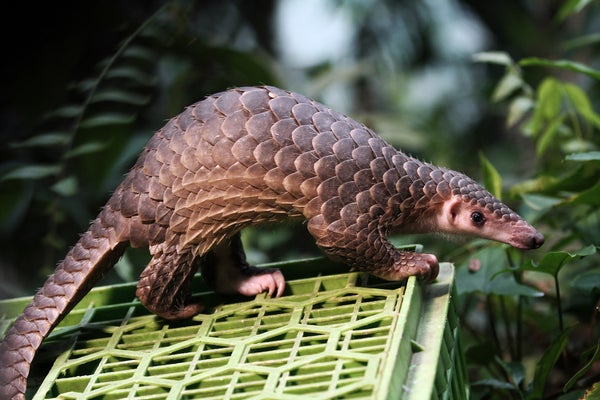
Critically endangered animals are being advertised for sale as bushmeat on TikTok, a new study finds. The work, published recently in Nature Conservation, underscores the growing role social media plays in the global illegal wildlife trade.
Bushmeat—meat sourced from wild animals—is commonly eaten in many African and some Asian countries. Though some people hunt for personal consumption, many hunters sell meat to regional traders, who may then sell it to families or restaurants.
On supporting science journalism
If you're enjoying this article, consider supporting our award-winning journalism by subscribing. By purchasing a subscription you are helping to ensure the future of impactful stories about the discoveries and ideas shaping our world today.
The new study builds on older research linking social media to the wildlife trade. A 2023 study, for example, showed how Facebook was used by the bushmeat trade in West Africa. Now TikTok is on the rise in Africa—which led an international team of researchers to examine its potential role in the illegal wildlife trade in Lomé, Togo.
The researchers assessed 80 videos from two public TikTok accounts, recording an estimated 27 species and 3,526 individual animals, including endangered pangolins and a vulnerable antelope species. The accounts were mainly used to advertise meat for sale at physical markets in Lomé rather than directly through TikTok, says the nonprofit World Animal Protection’s head of research, Angie Elwin, a co-author of the study.
“Platforms like TikTok have essentially become virtual marketplaces, which allow sellers to advertise wild meat to much wider audiences than traditional roadside stalls or urban markets,” she says. “This brings new consumers to the market and is potentially scaling up demand and accessibility.”
TikTok did not respond to a request for comment.
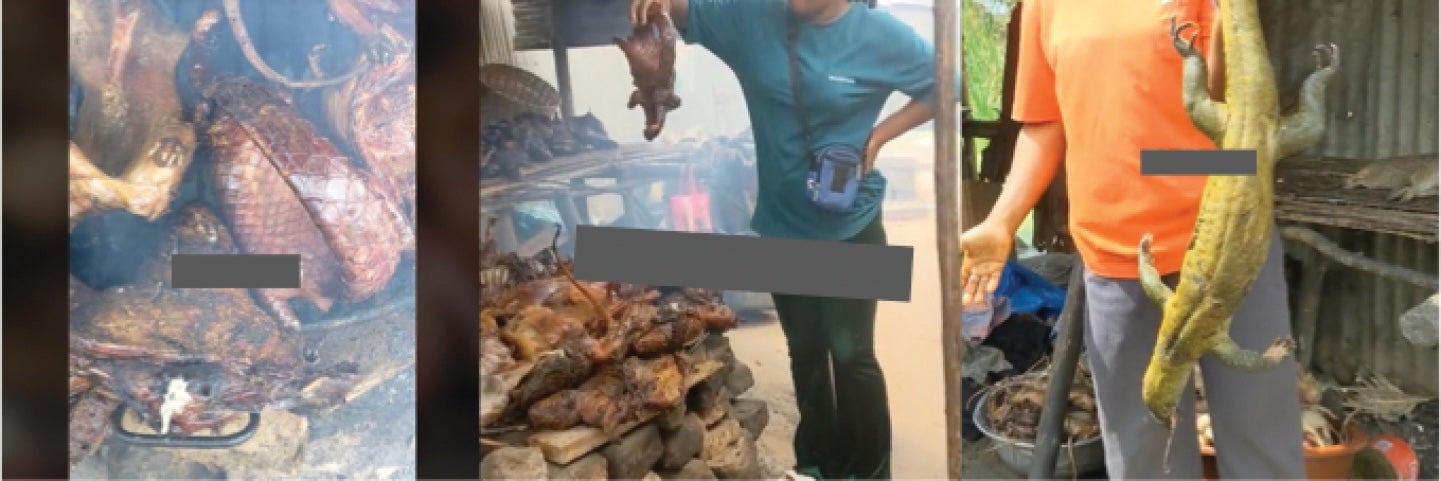
Screenshots from videos posted on the TikTok accounts of two wild meat traders in Lomé, Togo.
From “Viral Threats: The Role of TikTok in Facilitating Trade in CITES-Listed Species in Lomé, Togo,” by Delagnon Assou et al., in Nature Conservation Vol. 59; August 13, 2025 (CC BY 4.0)
Researchers are concerned by the growing trade in bushmeat, both because it raises the pressure on endangered species and because it is associated with a high risk of spreading diseases from animals to people.
Jack Jenkins, an anthropologist at Durham University in England, spent six months in Sierra Leone following bushmeat hunters and traders to better understand the health threats the practice can pose. Such a threat “could be a novel virus, which has the potential to cause a new epidemic or even pandemic,” says Jenkins, who was not involved in the new research. “This is a concern particularly in Sierra Leone because of the history of Ebola.”
Endangered species face many threats, but the growing commercialization of the bushmeat trade is “concerning,” says Christian Plowman, an expert in wildlife cybercrime at the nonprofit International Fund for Animal Welfare, who also was not involved in the research.
Other researchers argue that it is important to take bushmeat’s cultural importance into account. Jenkins says that many people in Sierra Leone prefer it to other, more commercialized meats such as beef or chicken. “It’s something that people have eaten for generations,” he says. Many hunters have little understanding of wildlife protection laws and do not differentiate between protected and nonprotected species, he adds.
The new study acknowledges the importance of wild meat as a source of both protein and income, but Elwin stresses that using social media to promote bushmeat is distinct from hunting an animal for sustenance.
“What social media is essentially doing is pushing the trade far beyond subsistence,” she says, “amplifying the commercial sales, normalizing demand and putting endangered species like pangolins at even greater risk.”