Poem: Bring Back the Leaf

Science in meter and verse

Szabo Ervin-Edward Getty Images

Join Our Community of Science Lovers!

Edited by Dava Sobel

They sent out a dove: it wobbled home,
wings slicked in a rainbow of oil,
a sprig of tinsel snagged in its beak,
a yard of fishing-line binding its feet.

Bring back, bring back the leaf.


On supporting science journalism

If you're enjoying this article, consider supporting our award-winning journalism by subscribing. By purchasing a subscription you are helping to ensure the future of impactful stories about the discoveries and ideas shaping our world today.


They sent out an arctic fox:
it plodded the bays
of the northern fringe
in muddy socks
and a nylon cape.

Bring back, bring back the leaf. Bring back the reed and the reef, set the ice sheet back on its frozen plinth, tuck the restless watercourse into its bed, sit the glacier down on its highland throne, put the snow cap back on the mountain peak.

Let the northern lights be the northern lights not the alien glow over Glasgow or Leeds.

A camel capsized in a tropical flood.
Caimans dozed in Antarctic lakes.
Polymers rolled in the sturgeon's blood.
Hippos wandered the housing estates.

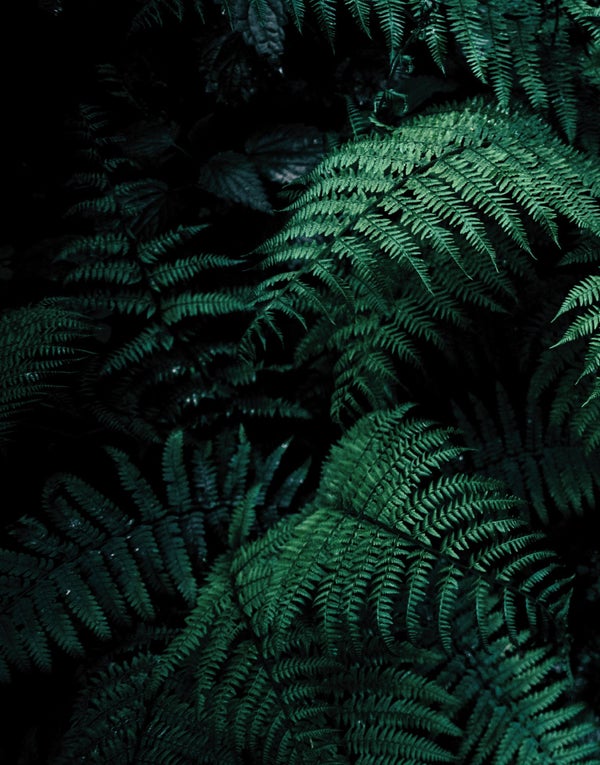
Bring back, bring back the leaf. Bring back the tusk and the horn unshorn. Bring back the fern, the fish, the frond and the fowl, the golden toad and the pygmy owl, revisit the scene where swallowtails fly through acres of unexhausted sky.

They sent out a boat.
Go little breaker,
splinter the pack-ice and floes, nose
through the rafts and pads
of wrappers and bottles and nurdles and cans,
the bergs and atolls and islands and states
of plastic bags and micro-beads
and the forests of smoke.

Bring back, bring back the leaf, bring back the river and sea.

Simon Armitage, Professor of Poetry at the University of Leeds and the current U.K. national Poet Laureate, wrote "Ark" to commemorate the September 2019 naming of a new polar research ship, the RSS Sir David Attenborough.

More by Simon Armitage
Scientific American Magazine Vol 323 Issue 3This article was published with the title “Ark” in Scientific American Magazine Vol. 323 No. 3 (), p. 22
doi:10.1038/scientificamerican0920-22

It’s Time to Stand Up for Science

If you enjoyed this article, I’d like to ask for your support. Scientific American has served as an advocate for science and industry for 180 years, and right now may be the most critical moment in that two-century history.

I’ve been a Scientific American subscriber since I was 12 years old, and it helped shape the way I look at the world. SciAm always educates and delights me, and inspires a sense of awe for our vast, beautiful universe. I hope it does that for you, too.

If you subscribe to Scientific American, you help ensure that our coverage is centered on meaningful research and discovery; that we have the resources to report on the decisions that threaten labs across the U.S.; and that we support both budding and working scientists at a time when the value of science itself too often goes unrecognized.

In return, you get essential news, captivating podcasts, brilliant infographics, can't-miss newsletters, must-watch videos, challenging games, and the science world's best writing and reporting. You can even gift someone a subscription.

There has never been a more important time for us to stand up and show why science matters. I hope you’ll support us in that mission.

Thank you,

David M. Ewalt, Editor in Chief, Scientific American

Subscribe