Edited by Dava Sobel
The Dead Sea scrolls were mostly saved
by bribe and threat: unmindful finders
re-interred the rest in hopes of
gain. It vanished or decayed.
A trooper in the Greek campaign
blown by Wehrmacht mortars down
a limestone chute, glimpsed there a lettered
chest—lost masterworks? new graphs
On supporting science journalism
If you're enjoying this article, consider supporting our award-winning journalism by subscribing. By purchasing a subscription you are helping to ensure the future of impactful stories about the discoveries and ideas shaping our world today.
by Euclid or his heirs, perhaps. Never
reclaimed: the next rounds covered it
up again. Fountains of blazing
loam, then forced retreat—the blasted
ground left no remains of site-map
to be guessed. Great Aztec wheels;
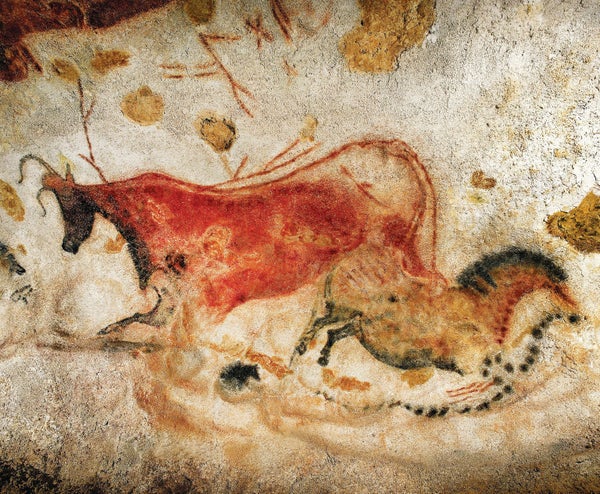
Lascaux red bulls; dried funeral garlands
of Neanderthals: all brought to
light by restless chance—a dropped hoe
or a wandering goat. Vast evidence
unknown, we stand on ranks
of shoulders buried deep in earth
a fragmentary tune, made by the
breeze against a bone protruding
from a crumbled canyon wall.
Subscribe to Support Independent Journalism
Great science journalism requires human expertise, time, effort and creativity. And it costs money. That’s why I and the journalists here at Scientific American hope you’ll join our community.
When you subscribe, you are supporting staff and freelance journalists who are passionate about telling science stories that are true, important and compelling. Our editors and reporters are often experts in their fields, which means they understand the nuances of big discoveries and can untangle the breakthroughs from the hype. With a subscription, you are also supporting rigorous fact-checking to ensure the words we publish are precise and accurate. And you’re supporting original illustrations, graphics and photos that bring you closer to an advanced laboratory, an ice sheet in Antarctica or a space mission in orbit. You’re helping us craft other types of high-quality journalism as well: Our newsletters are carefully written, edited and curated by staffers you have or will come to know and love. Our Science Quickly podcast is based on original reporting, collaboration with editors and scientists and exacting production.
Subscriptions keep this engine running so we can continue to deliver thoughtful, rigorous and independent science journalism to you. In an era of viral misinformation, this work is crucial. If you value what we do, I hope you’ll consider joining us as a subscriber