
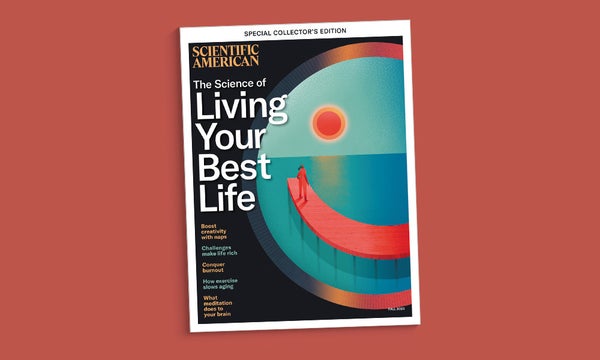
In 2021 more than 40 percent of workers worldwide considered quitting their jobs in what Anthony Klotz, a professor at University College London's School of Management, coined the “Great Resignation.” The COVID pandemic had unraveled the normal fabric of life. From work commutes to school lessons and family gatherings, the world was different by most metrics. In the months and years that followed, it seemed like many people reassessed what they wanted their life to be, and work was just one part of it. This collection of articles is for all those trying to become more authentic, creative and healthy versions of themselves.
Start by looking inward. The 10 practices of self-actualized people include accepting one's quirks and finding a purpose. Even the most challenging circumstances imbue experience with a kind of richness—a psychologically complex life ranks among the more rewarding types. No matter our past experiences and future desires, exciting research points to one key region of the brain that maintains the sense of self.
Nurturing a creative spirit is key to authenticity. Sparks of insight aren't spontaneous but instead can be cultivated in five key stages. Partaking in regular play (yes, adults, too) helps us try out new ideas, and even quick naps can zap fresh thoughts into the brain.
On supporting science journalism
If you're enjoying this article, consider supporting our award-winning journalism by subscribing. By purchasing a subscription you are helping to ensure the future of impactful stories about the discoveries and ideas shaping our world today.
Whether in play or work, we have an evolutionary aptitude for getting along with others, and random acts of kindness may have a larger ripple effect than expected. Adults who are kind and helpful probably learned in childhood to respect the feelings of others—a skill that can be developed anytime. Even with jobs that fulfill and inspire us, burnout can mount without proven tactics to fend it off, which include fostering resilience and engagement.
Stay sharp with physical activity that challenges the heart and the mind. In turn, brain health spurs body health, according to recent research that suggests a positive outlook bolsters the immune system.
Some science-derived tactics for surviving the stress of the modern world: stop scrolling and put down the phone; build a meditation practice—preliminary studies show it can enhance focus and mood; and fine-tune parenting skills with advice derived from neuroscience on how to communicate with teenagers.
The synthesis of these evidence-backed approaches to life might just constitute a road map for an enriching existence. But the choice of which pursuits, occupations, ideas and paths to embrace comes down to one element: you.