On supporting science journalism
If you're enjoying this article, consider supporting our award-winning journalism by subscribing. By purchasing a subscription you are helping to ensure the future of impactful stories about the discoveries and ideas shaping our world today.
The ascendance of the phrase “post-truth” in 2016 has left many science advocates stunned by this apparently growing willingness by some of the public to embrace ideologies that favor clear falsehoods over well-established facts. But take heart: Real science and the enduring truths of the natural world can still be found everywhere—and the holiday season offers some opportunities to spread them around, especially via tech gadgets that always play a role in year-end gift giving.
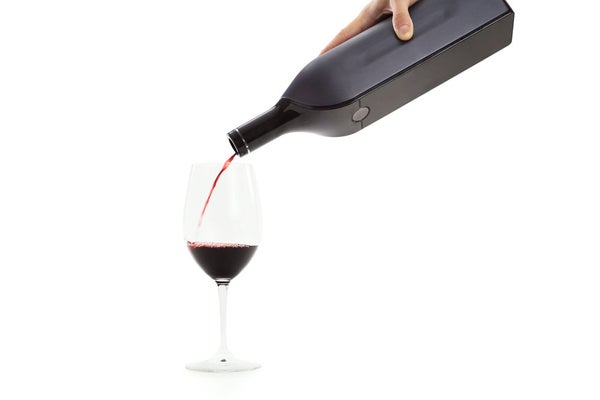
A solar-powered cookstove brings sustainability to a stadium tailgate. And a thermal-vision scope, a self-contained indoor garden and a high-tech wine bottle emphasize practical applications of physics, biology and chemistry, respectively. Other devices on this year’s list of suggested gift gadgets—an annual Scientific American staple—likewise turn basic science lessons into fun projects, whether by updating the old-school joys of Play-Doh or encouraging budding engineers to develop their own Internet of Things.
Subscribe to Support Independent Journalism
Great science journalism requires human expertise, time, effort and creativity. And it costs money. That’s why I and the journalists here at Scientific American hope you’ll join our community.
When you subscribe, you are supporting staff and freelance journalists who are passionate about telling science stories that are true, important and compelling. Our editors and reporters are often experts in their fields, which means they understand the nuances of big discoveries and can untangle the breakthroughs from the hype. With a subscription, you are also supporting rigorous fact-checking to ensure the words we publish are precise and accurate. And you’re supporting original illustrations, graphics and photos that bring you closer to an advanced laboratory, an ice sheet in Antarctica or a space mission in orbit. You’re helping us craft other types of high-quality journalism as well: Our newsletters are carefully written, edited and curated by staffers you have or will come to know and love. Our Science Quickly podcast is based on original reporting, collaboration with editors and scientists and exacting production.
Subscriptions keep this engine running so we can continue to deliver thoughtful, rigorous and independent science journalism to you. In an era of viral misinformation, this work is crucial. If you value what we do, I hope you’ll consider joining us as a subscriber