
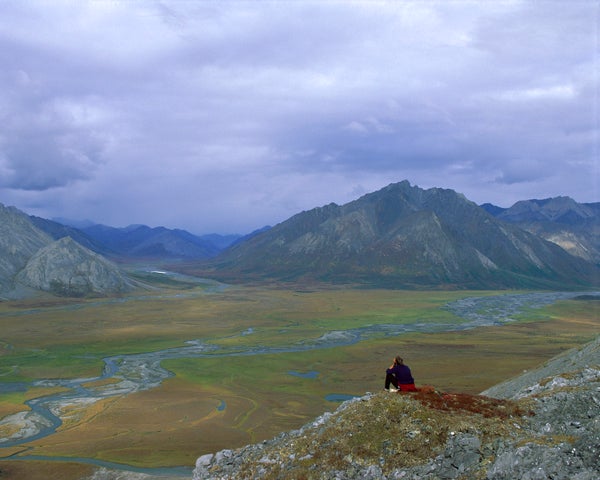

NEW YORK (Reuters) - A group of 37 U.S.-based scientists whose research focuses on Arctic wildlife asked two U.S. senators in a letter on Thursday not to open the National Arctic Wildlife Refuge to oil and gas exploration, according to a copy seen by Reuters.
The scientists, including several retired former officials from the Alaska Department of Fish & Game, the U.S. Geological Survey and the U.S. Fish & Wildlife Service, said in a letter to Senator Lisa Murkowski of Alaska and Senator Maria Cantwell of Washington that drilling for oil and gas in the refuge would be "incompatible with the purposes for which the refuge was established," protecting fish and wildlife populations and the environments in which they live.
Murkowski, a Republican, introduced a bill on Wednesday that would create an oil and gas exploration program on the refuge's coastal plain, letting prospectors build any roads and other infrastructure they deemed necessary inside the refuge to carry out their operations. Half of the available drilling royalties would go to the state of Alaska and half to the federal government. The program's administrator would be required to hold at least two lease sales within 10 years after the bill became law.
On supporting science journalism
If you're enjoying this article, consider supporting our award-winning journalism by subscribing. By purchasing a subscription you are helping to ensure the future of impactful stories about the discoveries and ideas shaping our world today.
The scientists said drilling on the coastal plain would be particularly harmful because it contains a "unique compression" of habitats supporting animals like polar bears, grizzly bears, wolverines, representing "the greatest wildlife diversity of any protected area above the Arctic Circle."
A spokesman for Cantwell did not immediately respond to requests for comment. Murkowski's spokeswoman declined to comment and referred a comment request to the Senate Energy and Natural Resources Committee.
The conflict over whether to allow drilling inside the refuge has deep roots. The U.S. Geological Survey estimates the area on the Prudhoe Bay in Northern Alaska has up to 12 billion barrels of recoverable crude, and Republicans, who now control Congress and the White House, have long wanted to open a portion of the refuge called the 1002 area.
Murkowski, who chairs the Senate Energy Committee, called the 1002 portion a "non wilderness area" because the government put it aside decades ago for petroleum exploration. Last month, Democrats tried and failed to pass legislation blocking drilling there.